Masonry Contractors in Murfreesboro, TN
Brick, block and stone work across Murfreesboro, Rutherford County and Middle Tennessee. Repointing, chimney and crack repair, veneer, walls and outdoor masonry. Free written quotes.
Request a quote
Four questions, about a minute. We'll call you back.
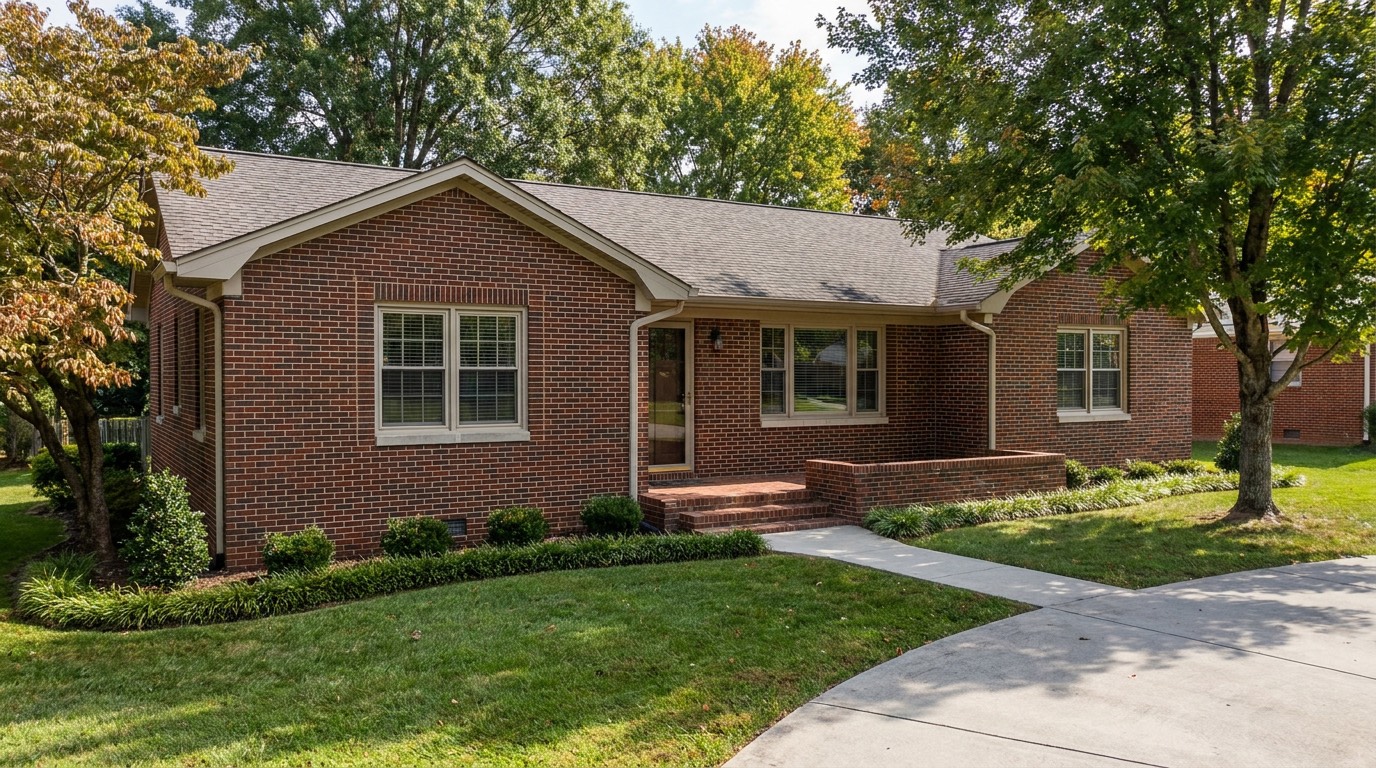
What we do
All services →New brick and stone work plus repair, on homes and light commercial buildings across Rutherford County and the surrounding towns.
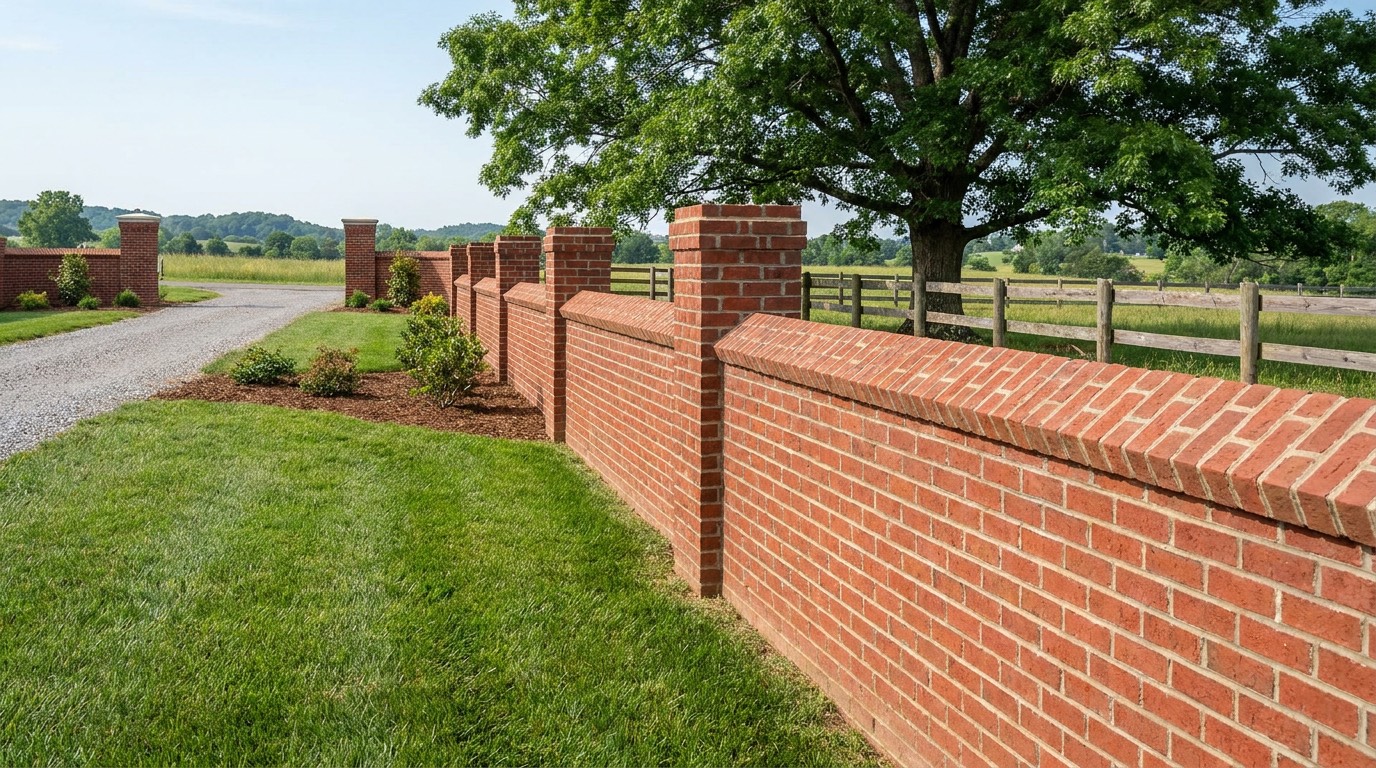
Brick Masonry
New brickwork, walls, columns and steps
Learn more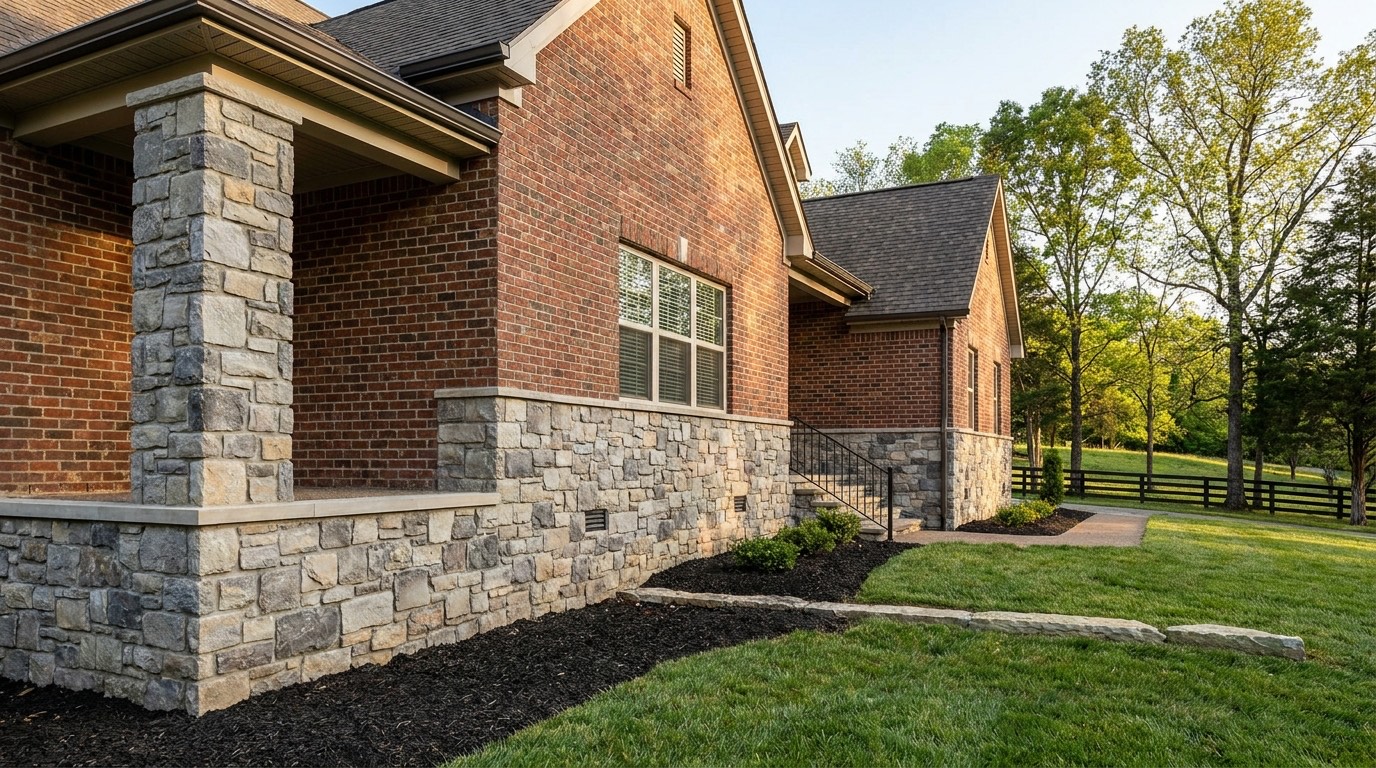
Stone Masonry
Natural and manufactured stone installation
Learn more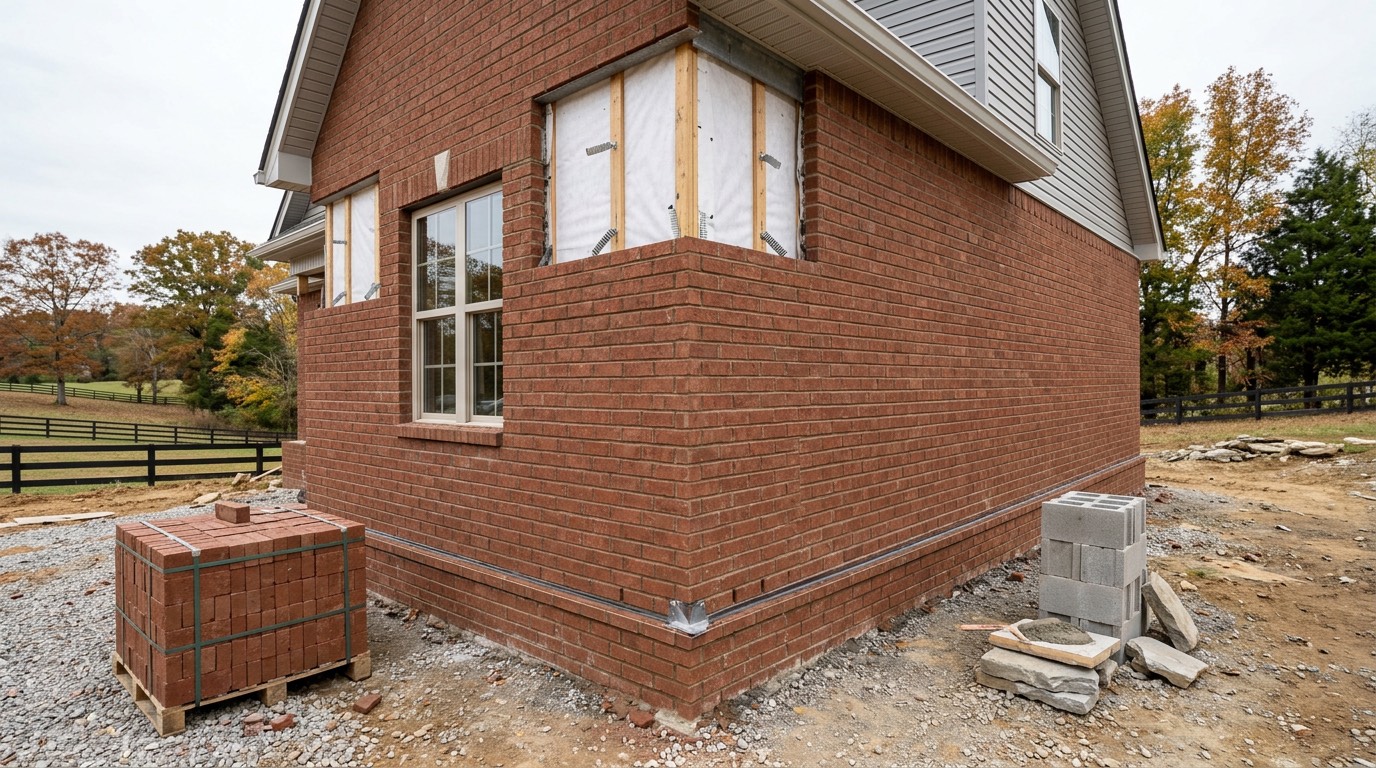
Brick Veneer Installation
Veneer over frame or block walls
Learn more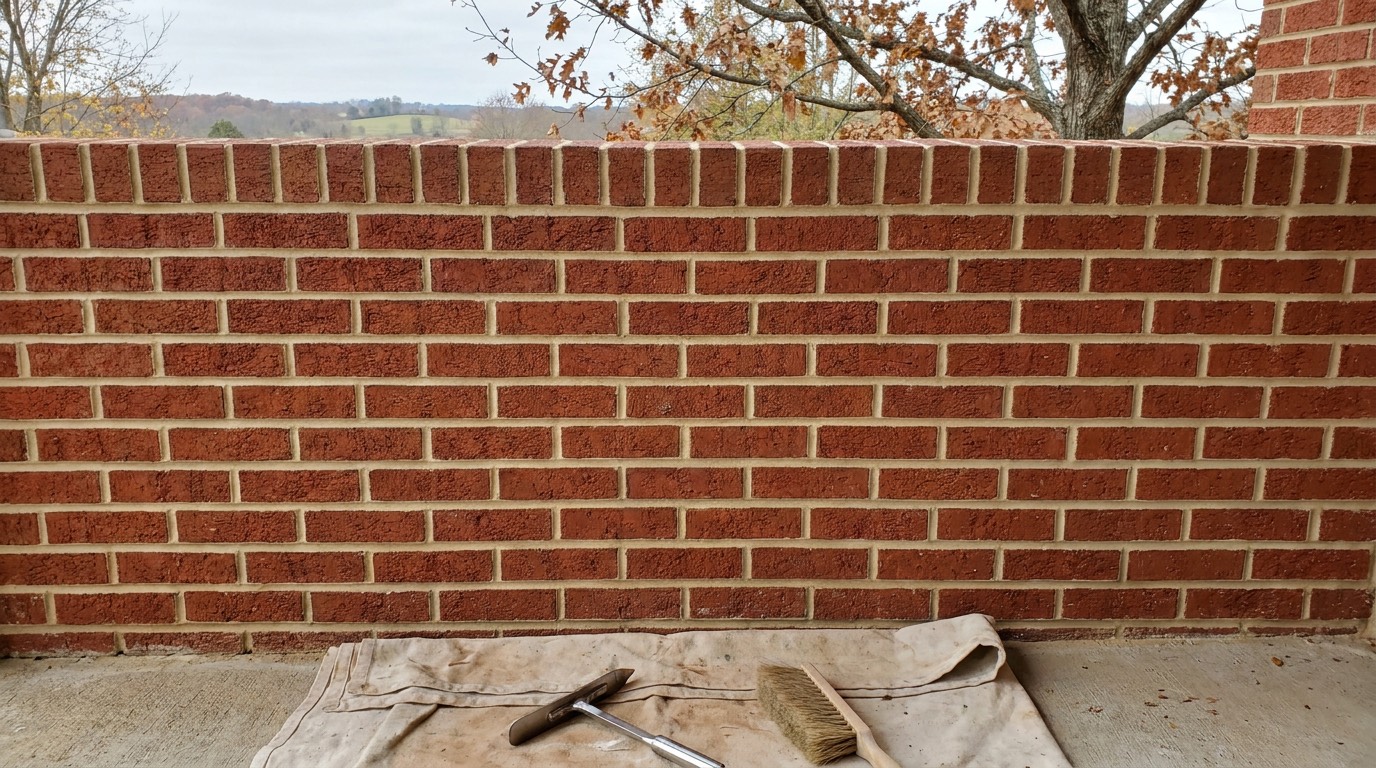
Tuckpointing and Repointing
Replacing failed mortar joints
Learn more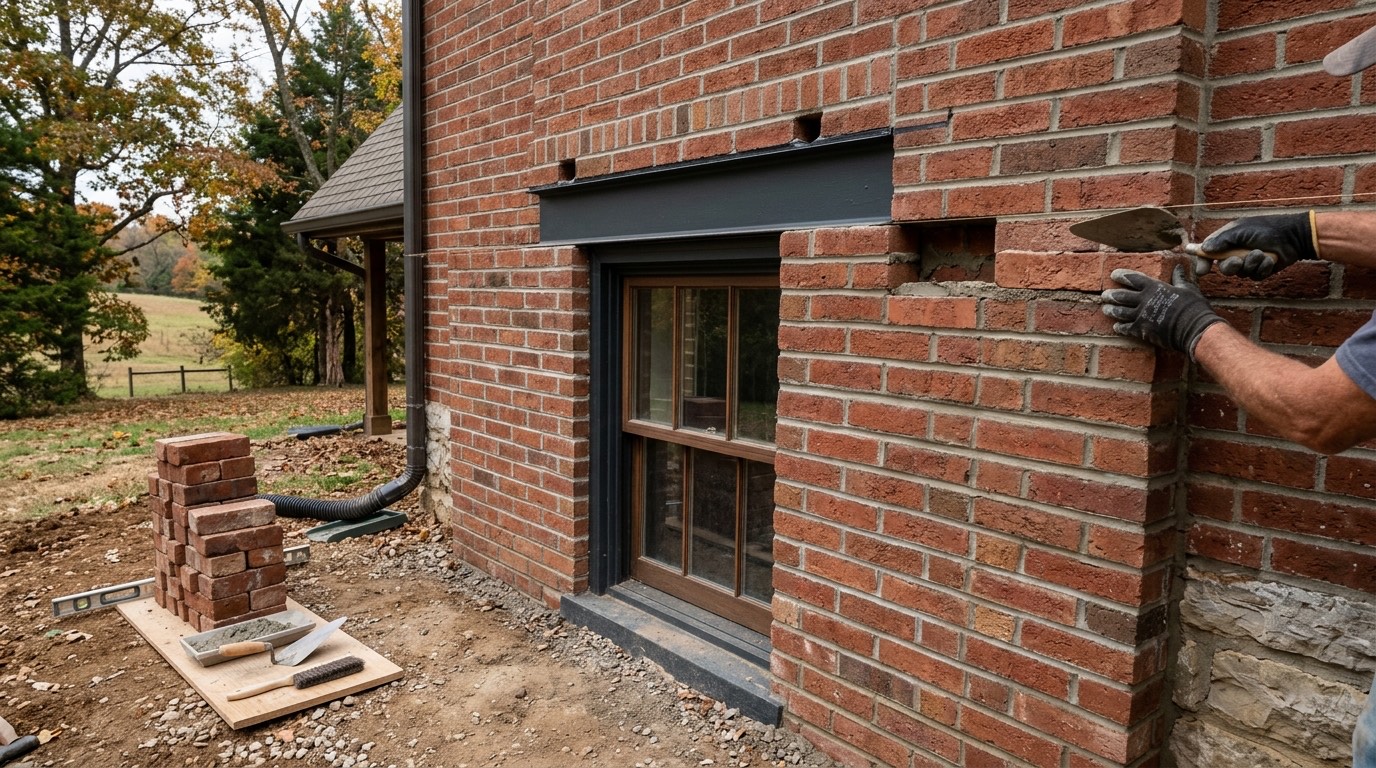
Masonry Repair and Restoration
Cracks, settlement and rebuilds
Learn more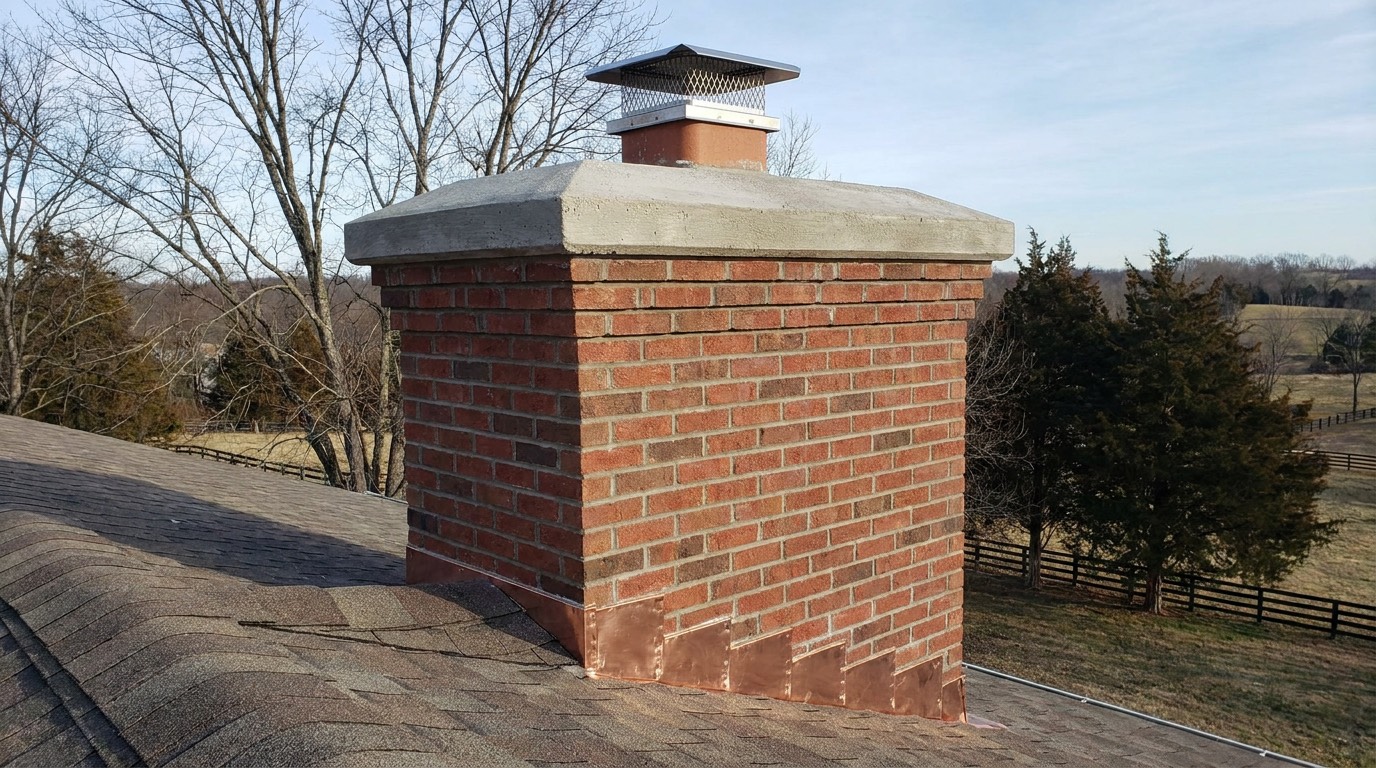
Chimney Masonry Repair
Crowns, flashing, rebuilds and relining
Learn more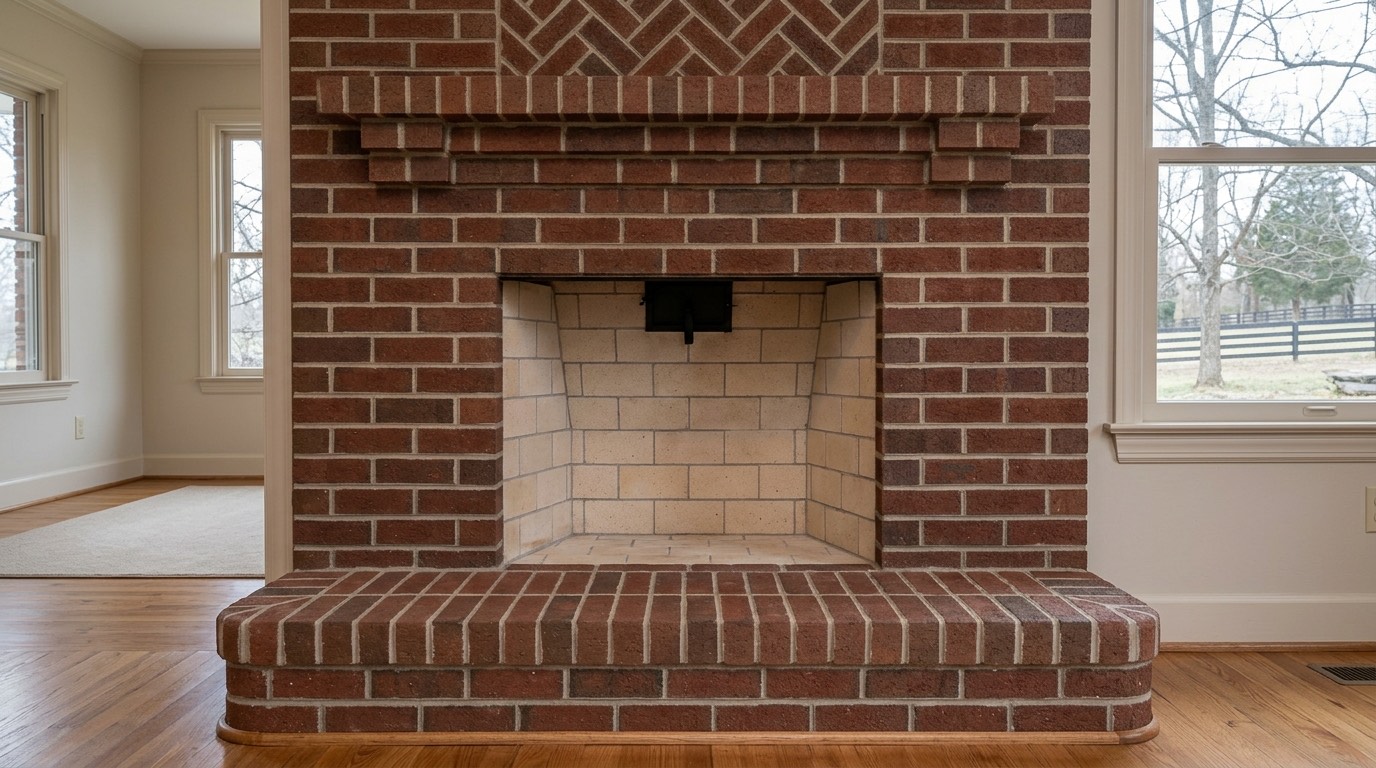
Brick Fireplaces
Indoor and outdoor fireplace masonry
Learn more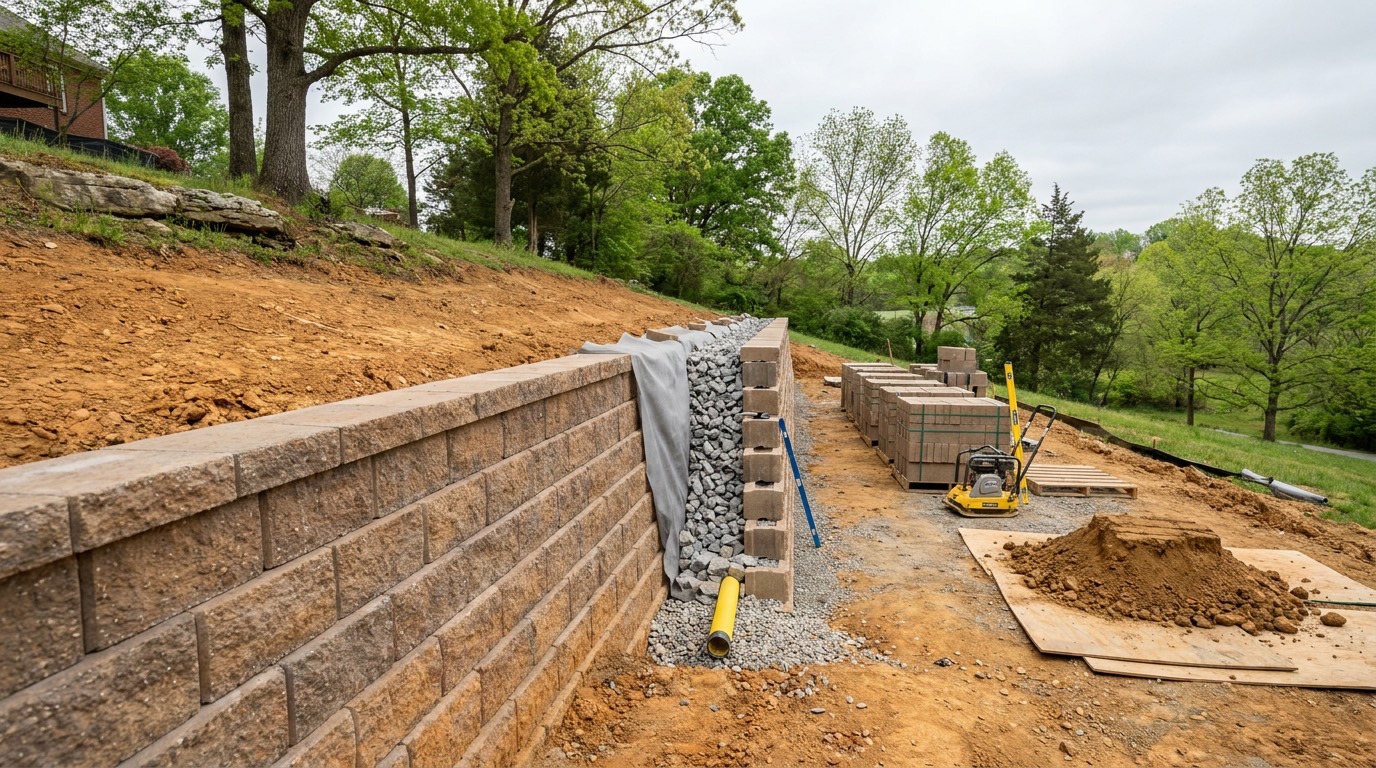
Retaining Walls
Block, brick and stone retaining walls
Learn more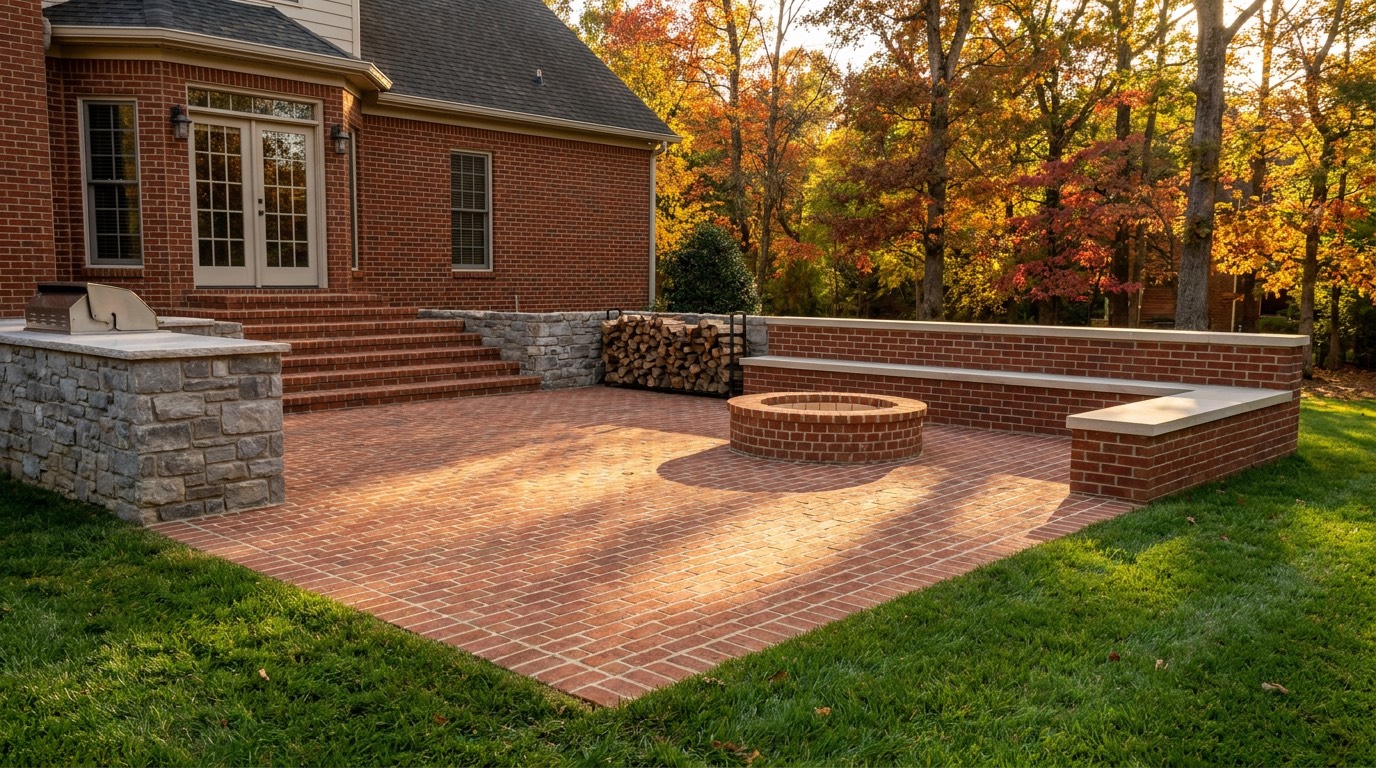
Outdoor Living Masonry
Patios, kitchens, fire pits and seat walls
Learn more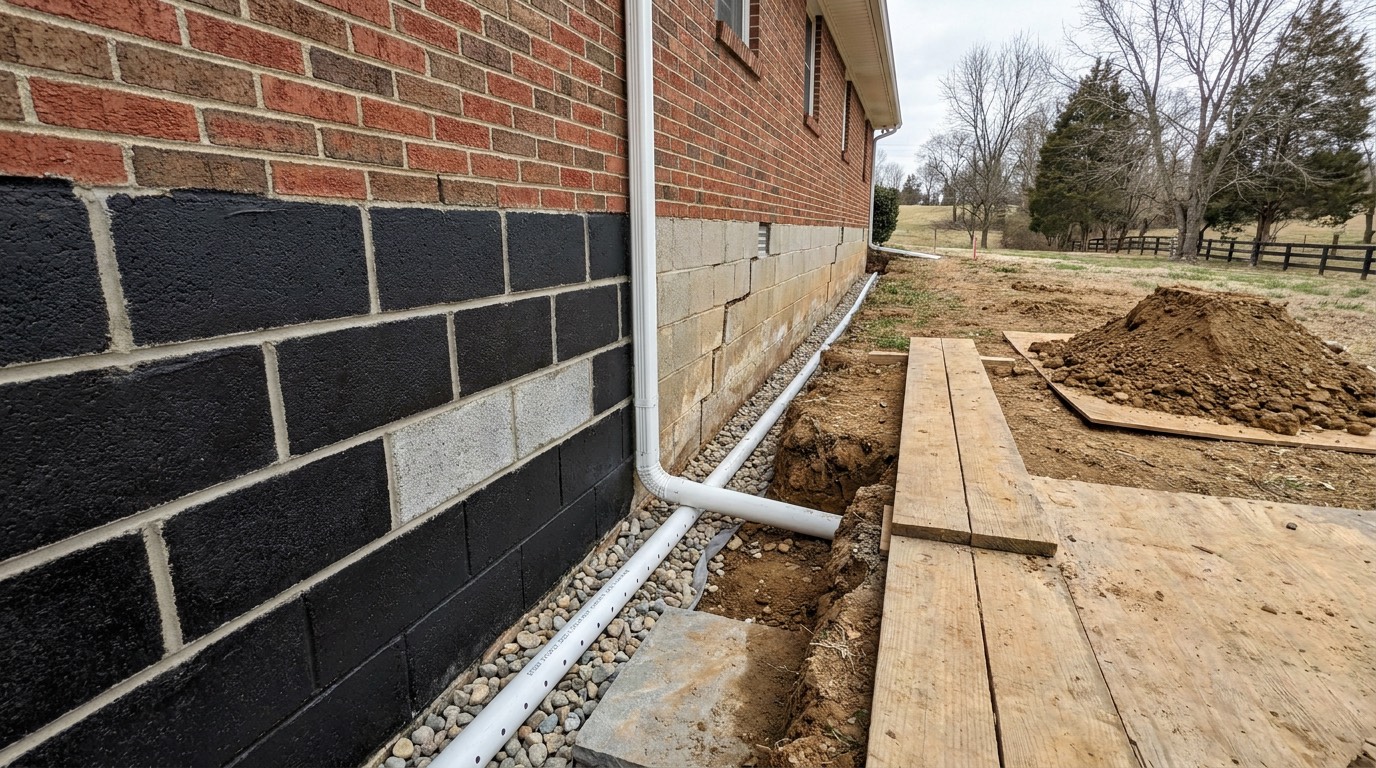
Foundation and Basement Masonry
Foundation repair and basement walls
Learn more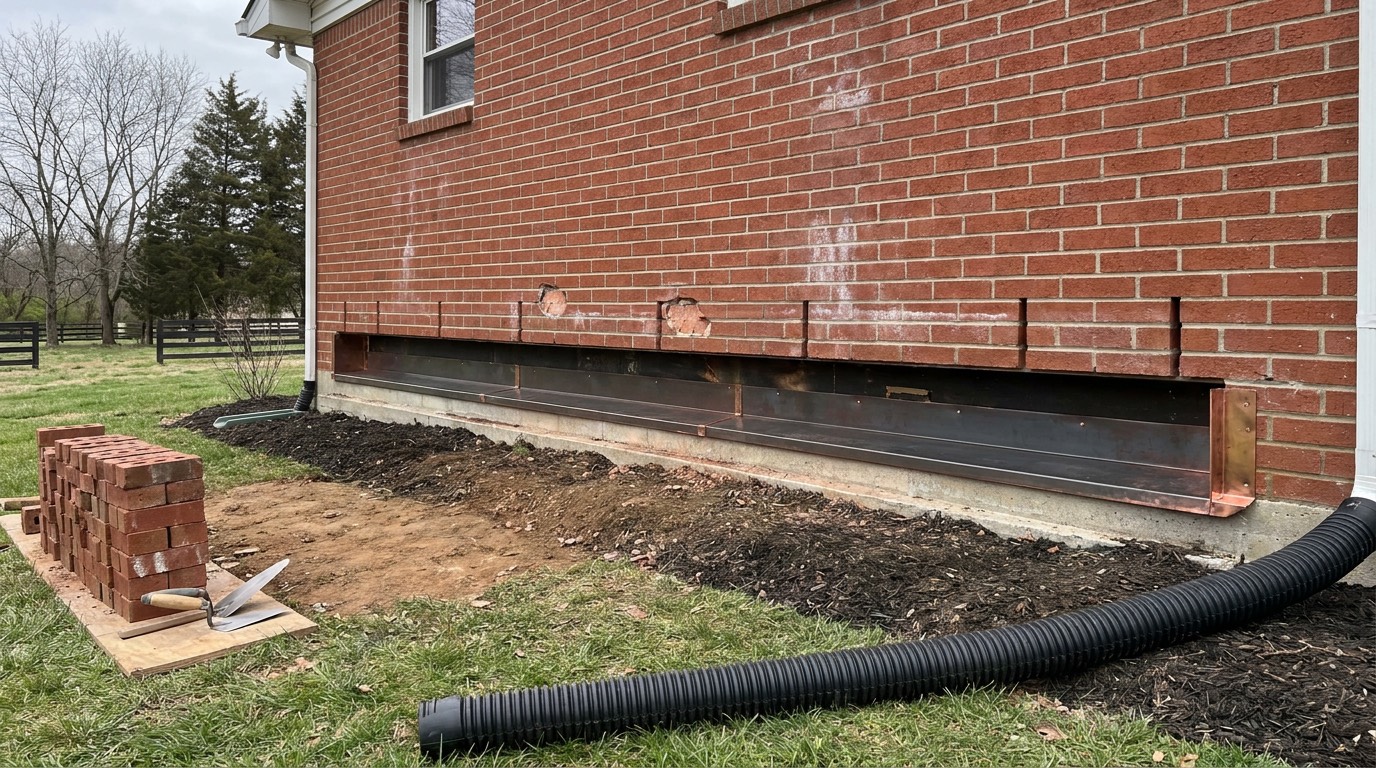
Masonry Waterproofing and Sealing
Sealers, flashing and drainage details
Learn more
Commercial Masonry
Retail, multi-family and light commercial
Learn moreHow it works
- Call or send the formTell us what the wall or chimney is doing and where the house is. Photos help.
- We come out and lookWe test the joints, read the crack pattern, and check grade and flashing before pricing.
- Written quoteScope, materials, mortar type and price in writing. The visit costs you nothing.
- We do the workWe protect the landscaping and the drive, keep the site tidy, and haul the debris off.
What freeze-thaw does to brick and mortar here
Masonry in Middle Tennessee fails from water and cold, in that order. Brick and mortar are porous. They soak up heavy spring rain, and then from December through February the temperature crosses freezing over and over. Water sitting in a joint expands when it freezes. Repeat that enough winters and the mortar turns to sand and the brick face flakes off.
That one cycle is the difference between masonry here and masonry in a warm climate. It is why the north elevation is usually worse than the south. None of it is an emergency the day you notice it. But every open joint is a new place for water to sit, so a joint that is open in January is deeper by March.
- Mortar you can dig out with a key, or that falls as loose sand
- Brick faces flaking, popping or shedding thin layers
- Cracks that step up a wall along the mortar joints
- A white chalky bloom on the brick after a wet spell
- A damp or musty basement wall following heavy rain
- Loose or leaning brick on the chimney above the roofline
Mortar is the part that is meant to give first
Mortar joints are the wear layer of a wall. They are supposed to be softer than the brick around them, so movement and moisture chew up the joint instead of the brick. Repointing is maintenance, not evidence that something was built wrong.
The mix matters more than most homeowners expect. Mortars are sorted into types by strength under ASTM C270, and reaching for the strongest bag is a common mistake in this trade. Put a hard, high-cement mortar into an older soft-brick wall and the joint ends up stronger than the brick. The wall still has to move, so the brick faces take it and spall off. On the 19th-century brick around the historic square, and in the older rental stock near MTSU, the answer is softer.
The National Park Service publishes Preservation Brief 2 on repointing historic masonry. That is the approach we follow on old work.
- Joints cut back to a real depth instead of smeared over
- Mortar type chosen to suit the brick, not defaulted to the strongest bag
- Color, sand and joint profile matched to the surrounding wall
- Hand work on soft historic brick, no grinder
Cracks, movement and what we tell you to leave alone
Not every crack is a repair. Clay soil across Rutherford County shrinks through a dry summer and swells when it soaks, and that moves houses a little every year. Plenty of the cracking we get called out for is old, stable and cosmetic.
We read the pattern, the width, and whether it is still moving. A thin vertical crack running straight through brick and mortar alike is usually shrinkage or thermal movement. A crack that steps up along the joints, is wider at one end, and comes with a door that sticks on that wall is telling you the footing moved. Only one of those gets solved by filling it.
When a crack looks stable, we say so and show you how to watch it. Mark both ends, note the date, and look again after a wet season and a dry one. Where the cause is movement we cannot see, an engineer should look first.
- Direction and width, and whether it steps along the joints
- Whether it is wider at the top or at the bottom
- Doors or windows sticking on that same wall
- Downspouts and grade dumping water beside the footing
Chimneys take the worst weather on the house
A chimney is the most exposed masonry you own. Weather hits it on four sides, most of its height has no heated interior behind it, and the top points at the sky. That is why chimneys usually fail first here.
Most chimney problems do not start in the brick. They start at the crown, at the flashing where the chimney passes through the roof, or at a missing rain cap. A cracked crown feeds water into the top of the brickwork, freeze-thaw takes it from there, and a few winters later the top courses are loose. Caught early that is a crown repair. Left alone it is a rebuild from the roofline up.
We rebuild above the roofline, repoint, pour crowns with a proper overhang, reset flashing and fit caps. If the real problem is the flue liner, we say so and point you to a sweep.
- A crown that is cracked, spalling, or poured flat with no overhang
- No rain cap, or a rusted-through cap on the flue
- Flashing patched with roof tar instead of stepped and counterflashed
- Crumbling joints, white staining, or leaning brick up top
Retaining walls, patios and building on limestone
Middle Tennessee sits on limestone, and in much of Rutherford County it sits close to the surface. Karst ground means shallow rock, springs and the occasional sinkhole. Two lots on the same street can behave differently once you dig, so we would rather find that at the quote than halfway through a footing.
On a retaining wall the ground is the whole job. Walls rarely fail because the block was wrong. They fail because water built up behind them and wet clay swelled against them with nowhere to go. Drainage stone, filter fabric, a drain line that actually daylights, and backfill compacted in lifts do more for that wall than anything visible from the road. Once a wall gets tall, reinforcement behind it becomes an engineering question.
The same logic runs through patios, outdoor kitchens and fire pits. In the newer Smyrna and La Vergne subdivisions, check your HOA rules before settling on a brick or stone, and check with the Rutherford County building department on anything structural.
Where we work
All areas →We work throughout Rutherford County and Middle Tennessee.
Common questions about masonry in Murfreesboro
What does masonry work cost in Murfreesboro?
Condition and access move the price far more than square footage does. Small repointing and single crack repairs tend to land in the hundreds to low thousands. Chimney rebuilds, retaining walls and full veneer work run into the thousands and up, driven by height, scaffolding, the brick or stone you pick, and how much has to come apart first. Anyone quoting a firm number over the phone is guessing.
How do I know when my mortar joints need repointing?
Test a joint with a key or a screwdriver. Sound mortar pushes back. If the point sinks in easily or the joint sheds sand, that mortar is finished. A few soft joints can be spot repaired, but once a whole elevation tests soft it is cheaper to do it at once than to come back three times.
Is a stair-step crack in my brick serious?
Sometimes. It follows the mortar joints because that is the weak path, which means the wall moved rather than shrank. Width and movement decide it. A thin, old, stable one can be repointed and watched. One that is opening and paired with sticking doors means the footing and the drainage need attention before anyone touches the brick.
Can masonry work be done in the winter?
Some of it. Mortar generally stops curing properly below about 40 degrees, so cold-weather work needs heated materials, enclosures and blankets over fresh joints. We run some jobs through a cold snap with that protection. Others we schedule for spring rather than sell you a joint we know will fail.
Can you match my existing brick and mortar?
Usually close, sometimes exactly. Brick from the last few decades often has an equivalent still in production. Older brick is harder, and the best match often comes from salvage, or from pulling brick out of a hidden wall and putting the new brick where nobody sees it. Mortar is matched on color, sand and joint profile.
Does a mason need a license in Tennessee?
There is no masonry-specific license in this state. What the Tennessee Board for Licensing Contractors issues is a general contractor license, required once a job is large enough, and it carries a classification and a ceiling. Ask to see it and check those cover work your size. Confirm the current threshold with the board rather than taking a contractor's word for it, and verify license and insurance yourself. For permits, start with the Rutherford County building department.
What areas do you cover?
Murfreesboro and the rest of Rutherford County, including Smyrna, La Vergne, Christiana and Woodbury. We also run north into Nashville, west to Franklin and Brentwood, northeast to Lebanon, and south to Shelbyville, Manchester and Tullahoma. If your address sits outside that ring, call and ask. You will get a straight yes or no.
Straight answer on your wall.
Call, or send the form and we will get you a written price.