Commercial Masonry in Murfreesboro, TN
Retail strips, apartment buildings, offices and light industrial shells all age the same way in Middle Tennessee. Joints open, lintels rust, parapets take the weather first. We handle commercial masonry for owners, property managers and general contractors across Rutherford County.
Request a quote
Four questions, about a minute. We'll call you back.
The commercial work we take on
Our commercial side splits into two halves. New and remodel work as a masonry subcontractor to a general contractor, and repair or restoration work direct for building owners and property managers. Both run on schedules and paperwork that residential work does not, so we staff and price them differently.
We are a masonry contractor, not a general contractor. We lay block and brick, install and repair veneer, rebuild parapets, replace lintels, repoint elevations and clean and seal facades. Roofing, glazing, structural steel and site concrete come from the trades that specialize in them. On a repair project we are happy to coordinate directly with your roofer, because most parapet work touches the roof edge and the sequence matters.
- Concrete block backup, partitions, elevator shafts and demising walls
- Brick and stone veneer on new construction and remodels
- Repointing and selective rebuilding on existing elevations
- Lintel replacement and steel repair at storefronts and window heads
- Parapet, coping and roof edge rebuilds
- Facade cleaning, water repellent application and joint sealant replacement
- Retaining walls, trash enclosures and site walls
How a commercial wall is put together, and where it fails
A typical commercial wall around here is a concrete block backup with a brick veneer outside it, an air cavity between them, and metal ties across. Loads run down the block. The veneer carries only itself, resting on a foundation ledge or on shelf angles bolted to the structure at intervals up a taller building. Understanding that is what separates a real repair from a cosmetic one, because most veneer failures are about how the veneer is supported and how water moves through the cavity.
Two things cause most of what we get called out for. The first is corroding steel. Lintels over storefronts and windows, shelf angles, and the ties in the cavity all rust when the wall stays wet, and rusting steel expands hard enough to lift brick off a building. The second is missing or overloaded movement joints. Brick expands over its life, concrete block shrinks, and if the wall has nowhere to accommodate that difference it cracks at the corners and the openings.
- Rust jacking at lintels, with a horizontal crack and a lifted brick course above
- Cracking radiating from window and door corners where movement joints are absent
- Vertical cracking near building corners from unrelieved brick expansion
- Bulging or displaced veneer where ties have corroded away
- Blocked or omitted weeps holding water in the cavity
Parapets, copings and the top of the wall
The parapet is the hardest working masonry on a commercial building and the least inspected. It is exposed on both faces, it takes wind driven rain from every direction, and unlike the wall below it, it has no heated interior helping it dry out. In a Middle Tennessee winter that means a parapet goes through more freeze-thaw cycles than anything else on the building, and it fails first.
The coping on top is the umbrella for the whole assembly. When coping joints open, or when a stone or metal cap loses its sealant, water goes straight down inside the parapet and then into the wall below it. Owners often chase a leak at a top floor window for years when the real entry point is thirty feet up on a joint nobody has looked at. We inspect from the roof, not from the parking lot.
- Reset or replace displaced and cracked coping units
- Through wall flashing under the coping with proper laps and end dams
- Rebuild parapet courses that have lost mortar or spalled through
- New counterflashing let into a reglet at the roof line
- Repair or replace corroded steel behind the top of the wall
Working on an occupied building
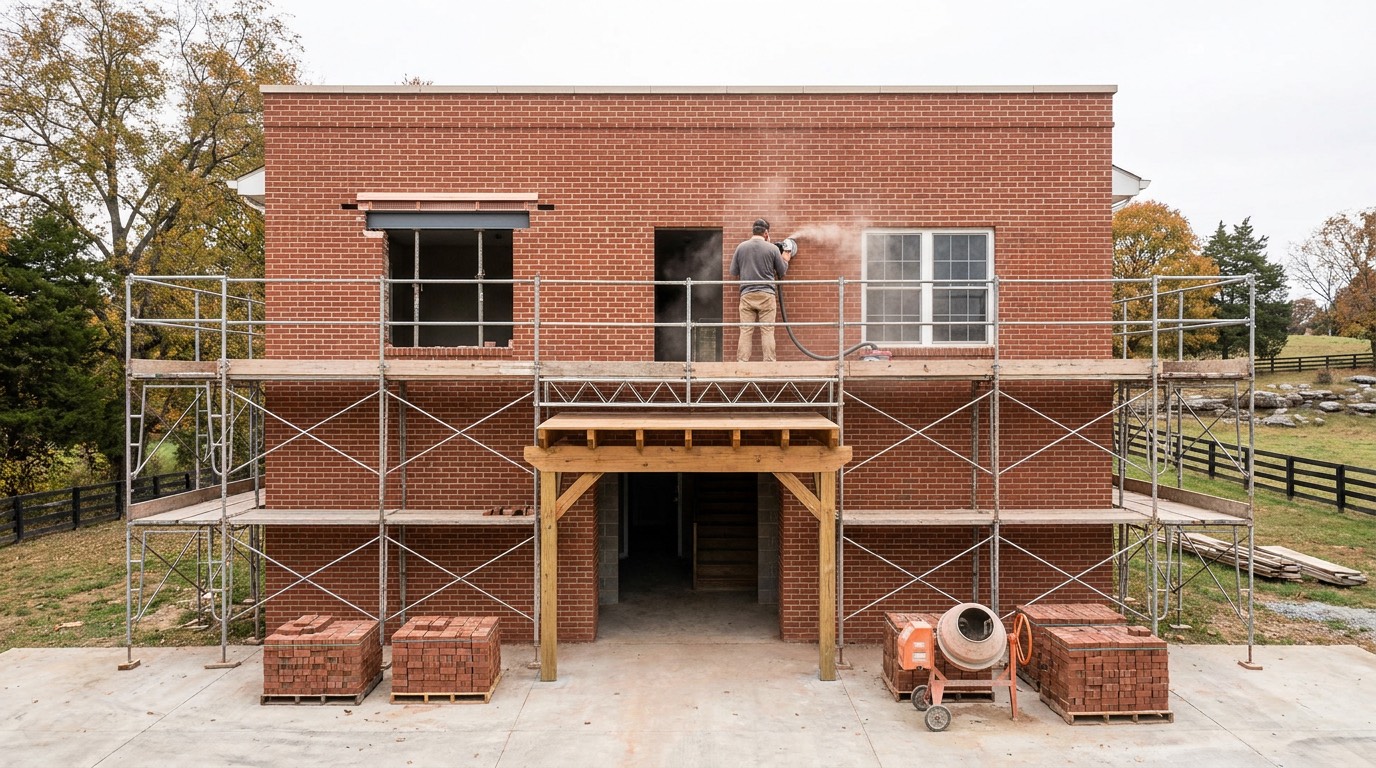
Most commercial repair happens with tenants inside and customers walking past, and that constraint shapes the whole plan. Before we mobilize we agree on where the overhead protection goes, where the debris drops, where the mixer and materials sit, and which entrances stay open. Retail owners care most about the storefront staying usable. Apartment managers care most about resident notice and parking.
We work in phases so the disruption is contained to one elevation or one stack at a time, and we clean up daily rather than at the end. Where the elevation is out of ladder reach, we price the correct access rather than the cheapest, because a crew stretching off a ladder does slow, poor work. Swing stage, mast climber, scissor lift or scaffold all get chosen for the building, and access is called out as its own line in the proposal.
Noise and dust get managed too. Grinding out joints is loud and it makes silica dust, so we run dust collection at the tool and schedule the loudest work around your operating hours where we can.
- A written phasing plan tied to elevations or building stacks
- Overhead protection and pedestrian routing at active entrances
- Advance notice packets for residential tenants
- Access equipment specified and priced as its own line
- Dust collection on cutting and grinding operations
- Daily cleanup and a defined material staging area
Facade assessment and a plan you can budget
Property managers rarely want a surprise capital expense, so the most useful thing we do for some clients is not a repair at all. It is a walk of the building with the roof included, photographs of every defect, and a written list sorted into what is urgent, what should be done in the next couple of years, and what is cosmetic and can wait indefinitely.
That sorting is the point. A cracked coping joint letting water into a parapet is urgent, because every winter it stays open costs you more brick. A hairline crack in one panel of veneer with no movement and no water behind it may never need anything. We are not going to pad the urgent column, because a manager who learns we cried wolf once will not call us the second time.
- Elevation by elevation photographic survey, including the roof edge
- Sounding and probing to find delaminated or debonded areas
- Defects sorted into urgent, planned and cosmetic
- Budget ranges per item so a capital plan can be built around them
Schedule, weather and working with a GC
Masonry is weather dependent, and in Middle Tennessee that is a genuine scheduling factor rather than a caveat. Mortar work generally stops below about 40 degrees without cold weather protection, so December through February needs heated enclosures, blankets and heated materials or it needs to move. Those measures are legitimate and they work, but they cost money and they slow production, so we would rather have the conversation during buyout than during a cold snap.
The other half is sequence. Masonry sits between the structure and the roof, and behind the windows and the flashings. We need embeds, shelf angles and openings correct and available before we build past them, and the roofer needs our parapet finished before they can terminate. We show up to coordination meetings and we flag conflicts early, because a wall built to the wrong opening dimension is the most expensive kind of rework there is.
- Cold weather protection scoped and priced, not assumed
- Wet weather contingency for a Middle Tennessee spring
- Verified opening dimensions and embed locations before we build past them
- Coordination with roofing at every parapet and roof to wall condition
- Sample panel or mockup approved before production starts
Bidding, scope and what drives a commercial number
Commercial pricing is driven by access, quantity, repetition and how much of the work is unknown until something is opened. A long, uninterrupted elevation of repointing prices well per square foot. Two hundred scattered repairs across four elevations does not, even if the total area is the same, because every one of them is a setup. Matching an existing brick that is no longer made is its own line item, since it may mean salvage or a custom run with lead time.
For repair work we quote a defined scope with unit rates for the items likely to grow, so if a rebuild area turns out to be twenty percent larger there is already an agreed price for it. That is fairer than a lump sum built on optimism and settled with change orders. Ask any bidder for their current Tennessee contractor license and certificates of insurance, and verify the license with the Tennessee Board for Licensing Contractors rather than taking a number on a letterhead at face value. We provide ours on request.
- Access method and how many setups the layout forces
- Continuous area versus scattered spot repairs
- Brick and mortar matching, including salvage or a custom run
- Steel repair or replacement discovered behind the veneer
- Season, and whether cold weather protection is required
- Unit rates for quantities that may grow once the wall is open
Questions about commercial masonry in Murfreesboro
Do you work as a subcontractor to a general contractor or direct for owners?
Both. On new construction and larger remodels we normally come in as the masonry subcontractor and work to the GC's schedule and submittal process. On repair, restoration and maintenance work we contract directly with owners, property managers and HOA boards, which is usually simpler for a defined facade scope. Tell us which structure you are working under and we will bid accordingly.
Can repairs be done with tenants in the building?
Yes, and most of our commercial repair work is. It takes phasing, overhead protection, a staging area away from entrances and advance notice to residents or retail tenants. We will walk the site with you first and agree the plan before anything is mobilized.
There is a horizontal crack above our storefront windows. What is that?
That is very often rust jacking at the steel lintel. The lintel over the opening corrodes, the rust takes up more space than the steel did, and it lifts the masonry above it, which shows up as a horizontal crack right at the bearing line. The fix is to expose the steel, repair or replace it, treat it, reflash it and rebuild the course. It is worth looking at sooner rather than later, because the brick above is being pushed off the building.
What is the white staining running down our building?
Most likely efflorescence, salts carried out of the masonry by water and left on the surface as it evaporates. On a commercial wall the useful question is where the water is coming from, since a persistent stain usually traces back up to a coping joint, a failed sealant, a blocked weep or a roof detail. Cleaning it treats the appearance. Finding the source is what stops it coming back.
What licensing and insurance should we ask a masonry contractor for?
Commercial jobs almost always clear the size at which a contractor license becomes mandatory here, so the real question is not whether your contractor holds one but whether its classification and ceiling reach this project. Confirm it with the Tennessee Board for Licensing Contractors rather than from a copy, and you should confirm the current threshold and the license classification with the board rather than relying on anyone's summary. Ask for the license number, a certificate of general liability insurance and proof of workers compensation, then verify each one directly with the issuer. We supply all three on request.
Other services
All services →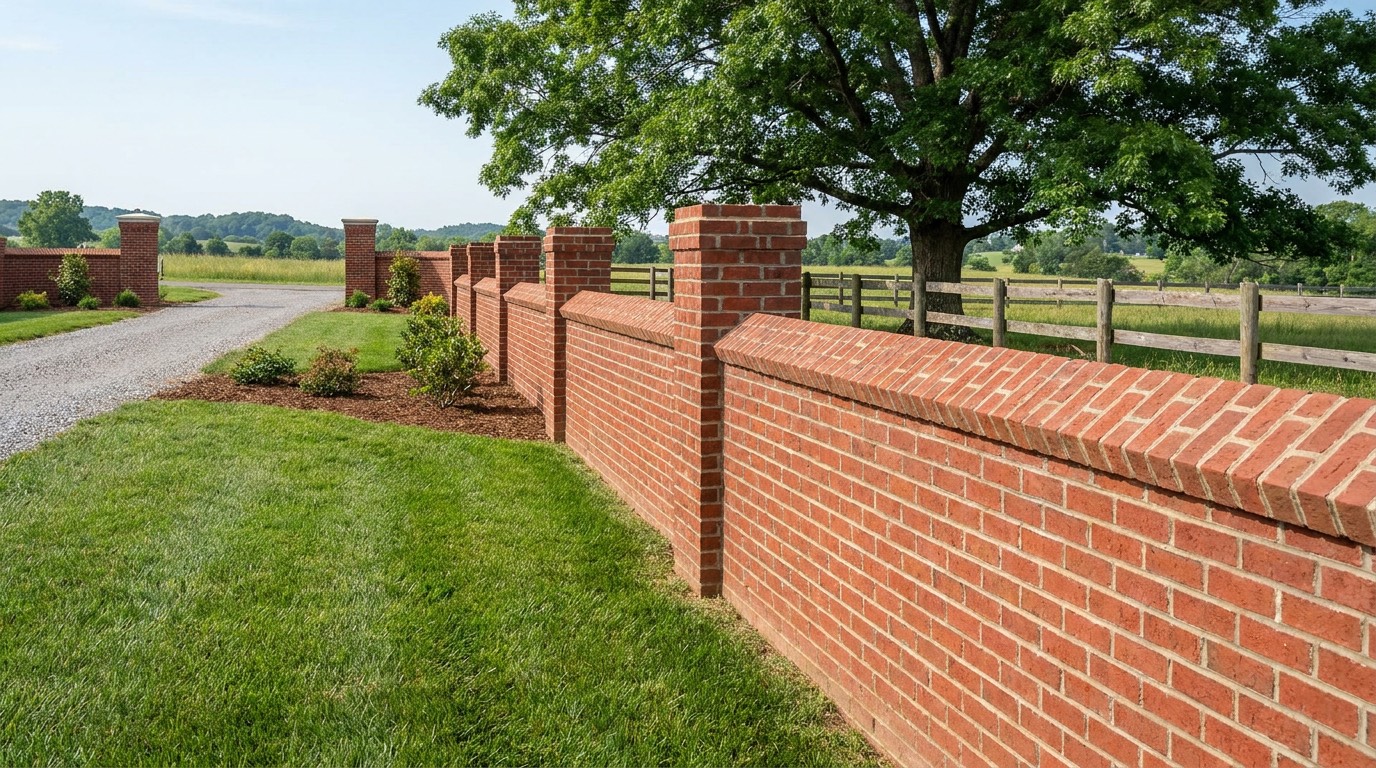
Brick Masonry
New brickwork, walls, columns and steps
Learn more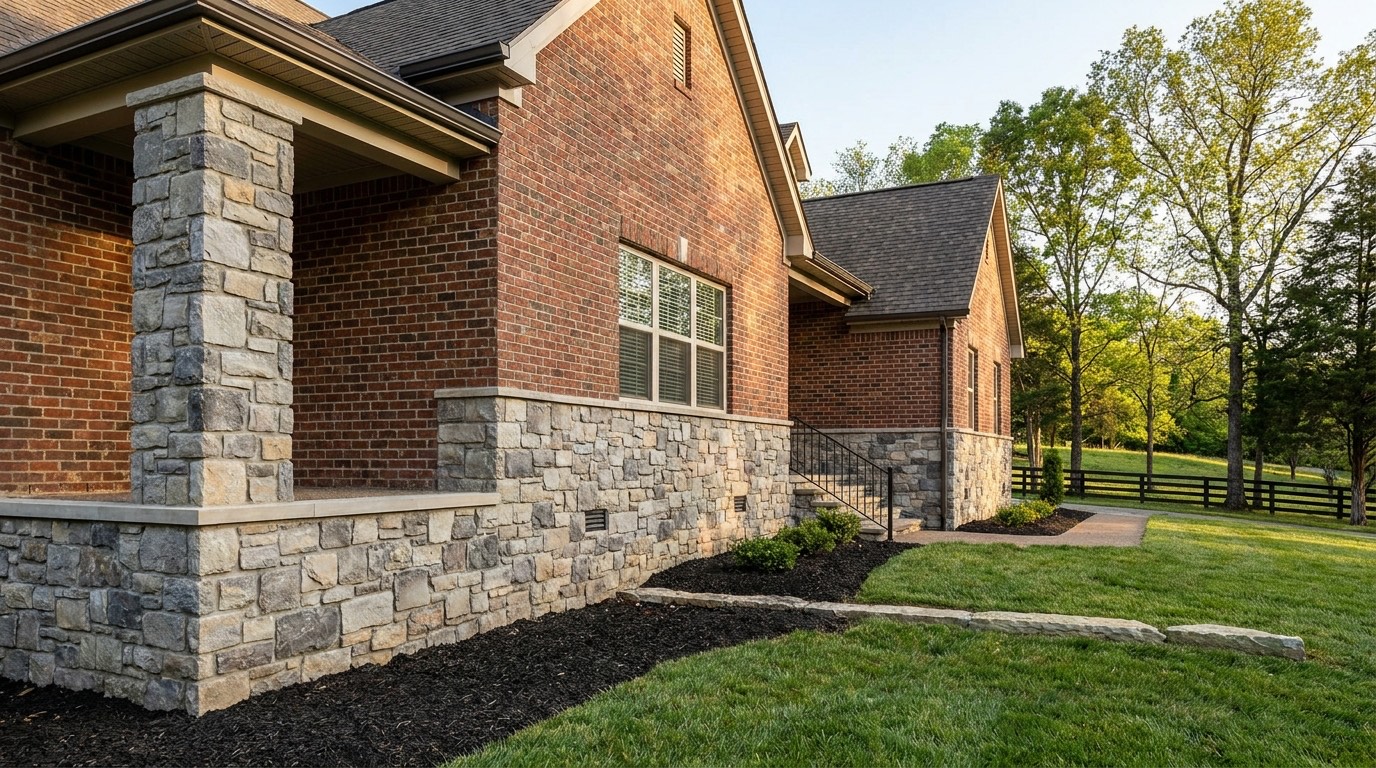
Stone Masonry
Natural and manufactured stone installation
Learn more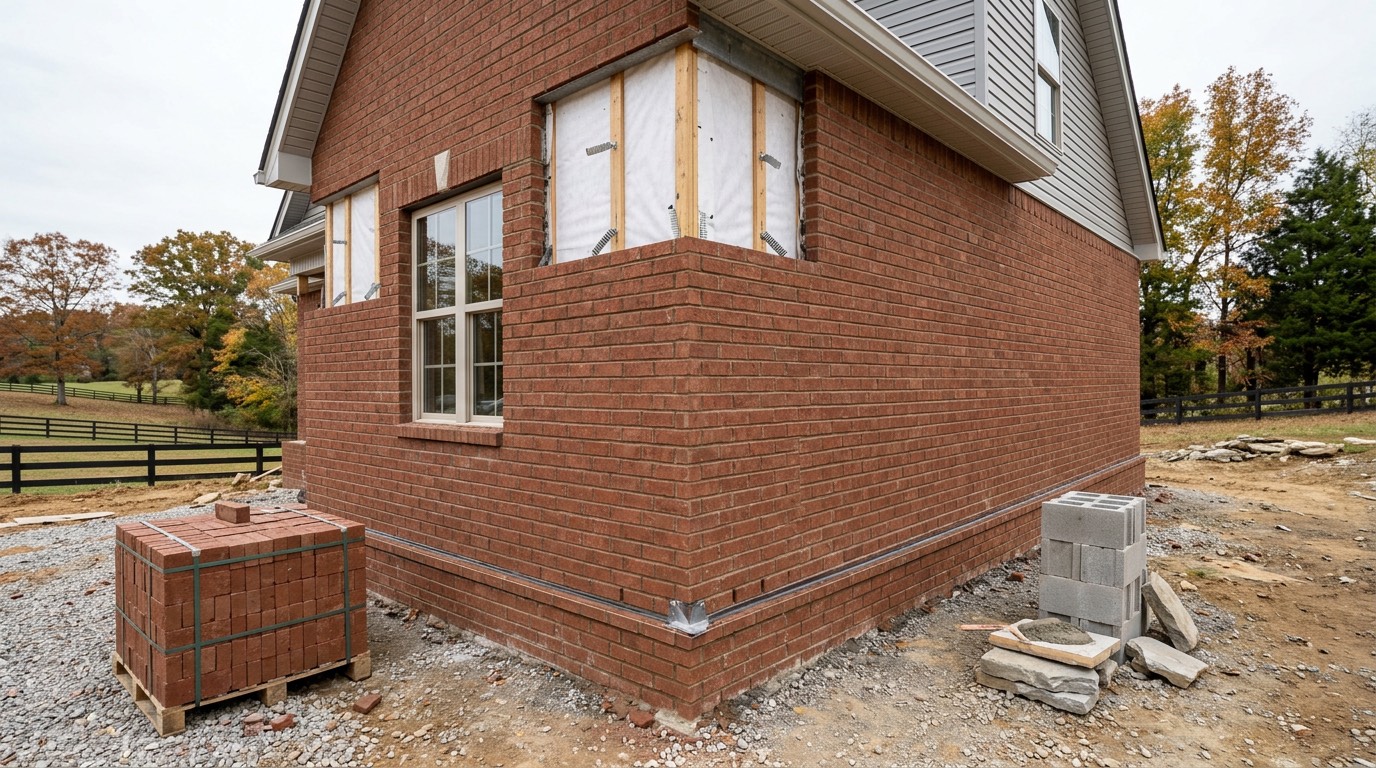
Brick Veneer Installation
Veneer over frame or block walls
Learn more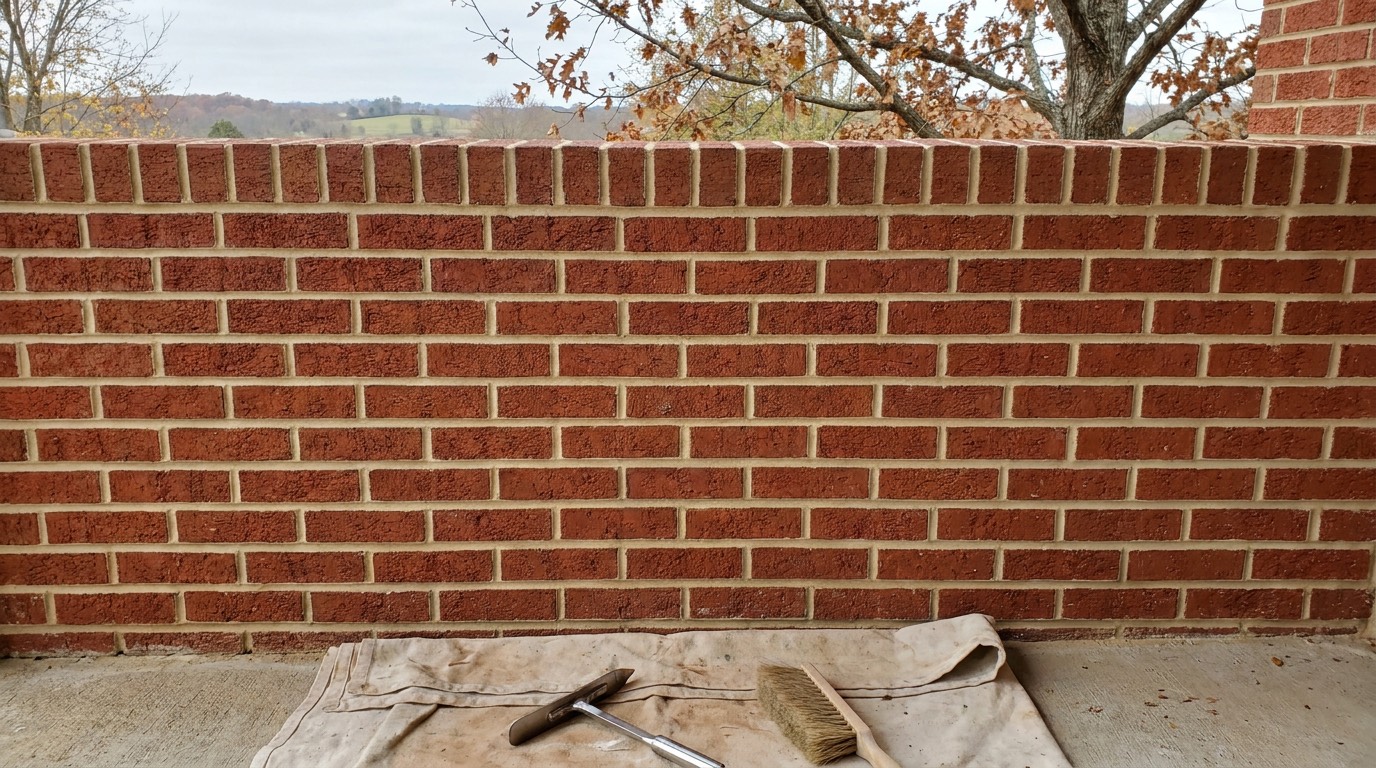
Tuckpointing and Repointing
Replacing failed mortar joints
Learn more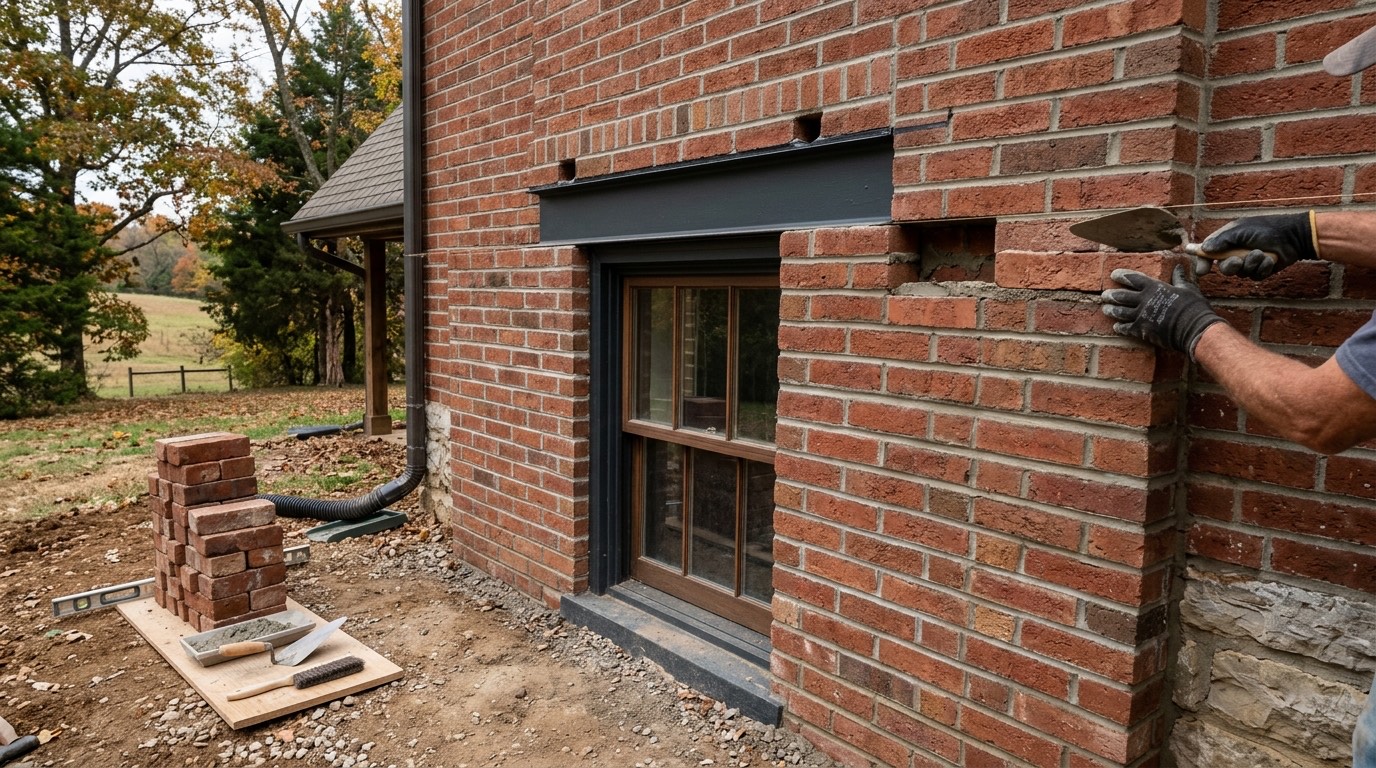
Masonry Repair and Restoration
Cracks, settlement and rebuilds
Learn more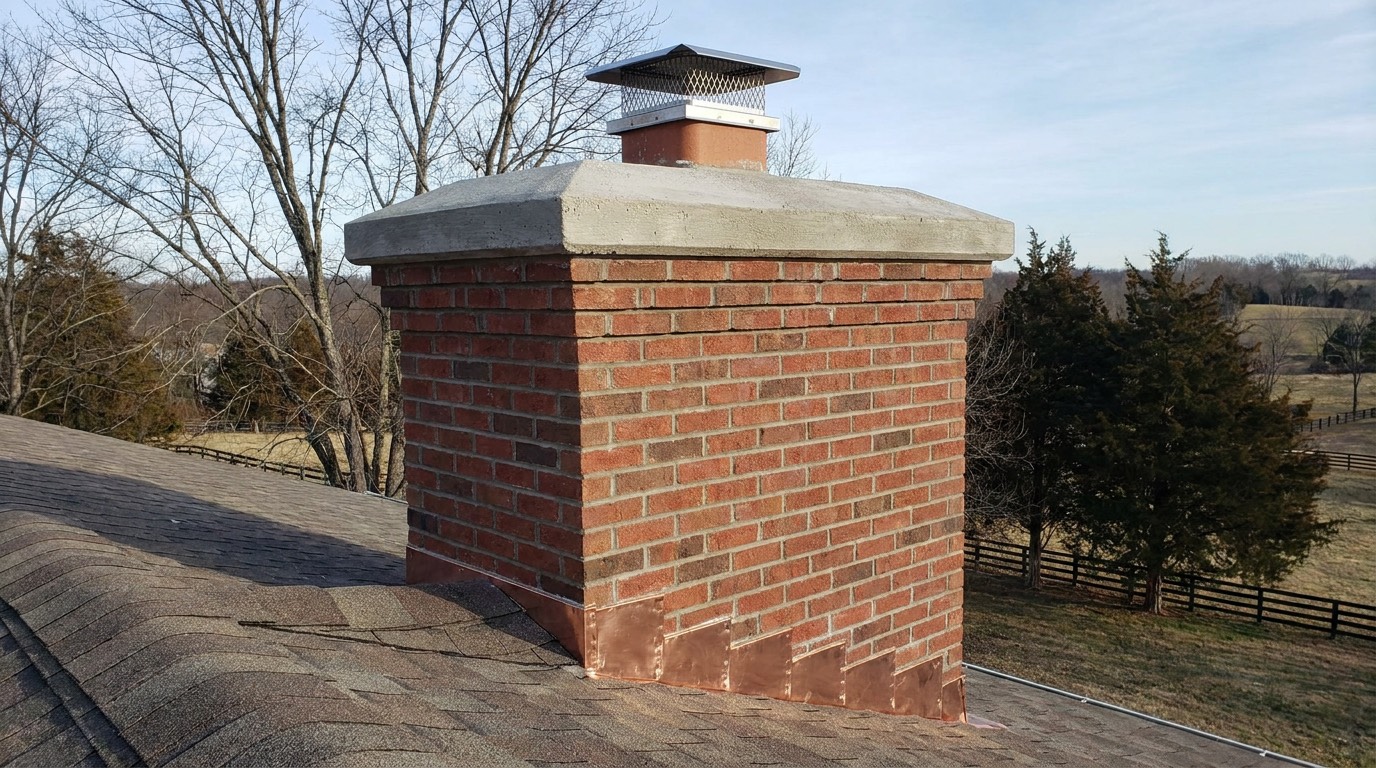
Chimney Masonry Repair
Crowns, flashing, rebuilds and relining
Learn more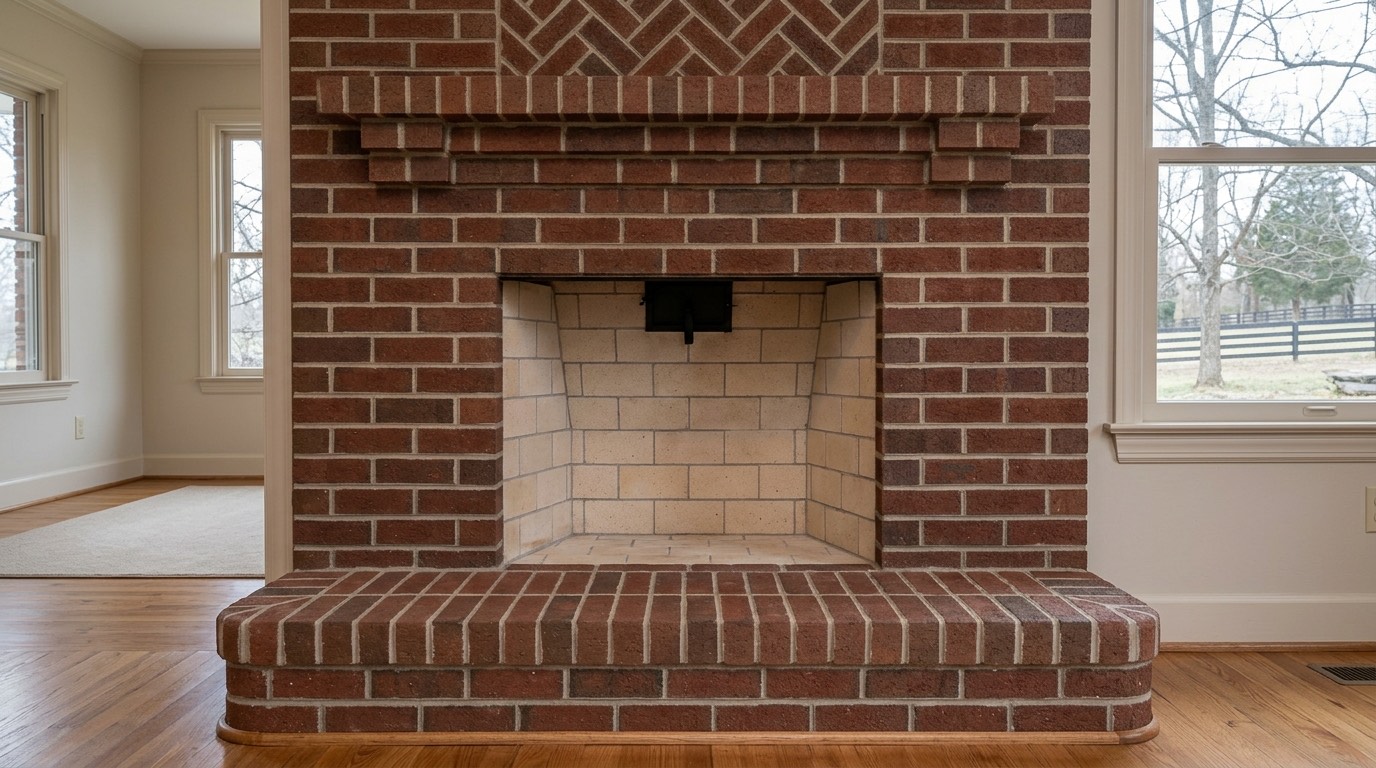
Brick Fireplaces
Indoor and outdoor fireplace masonry
Learn more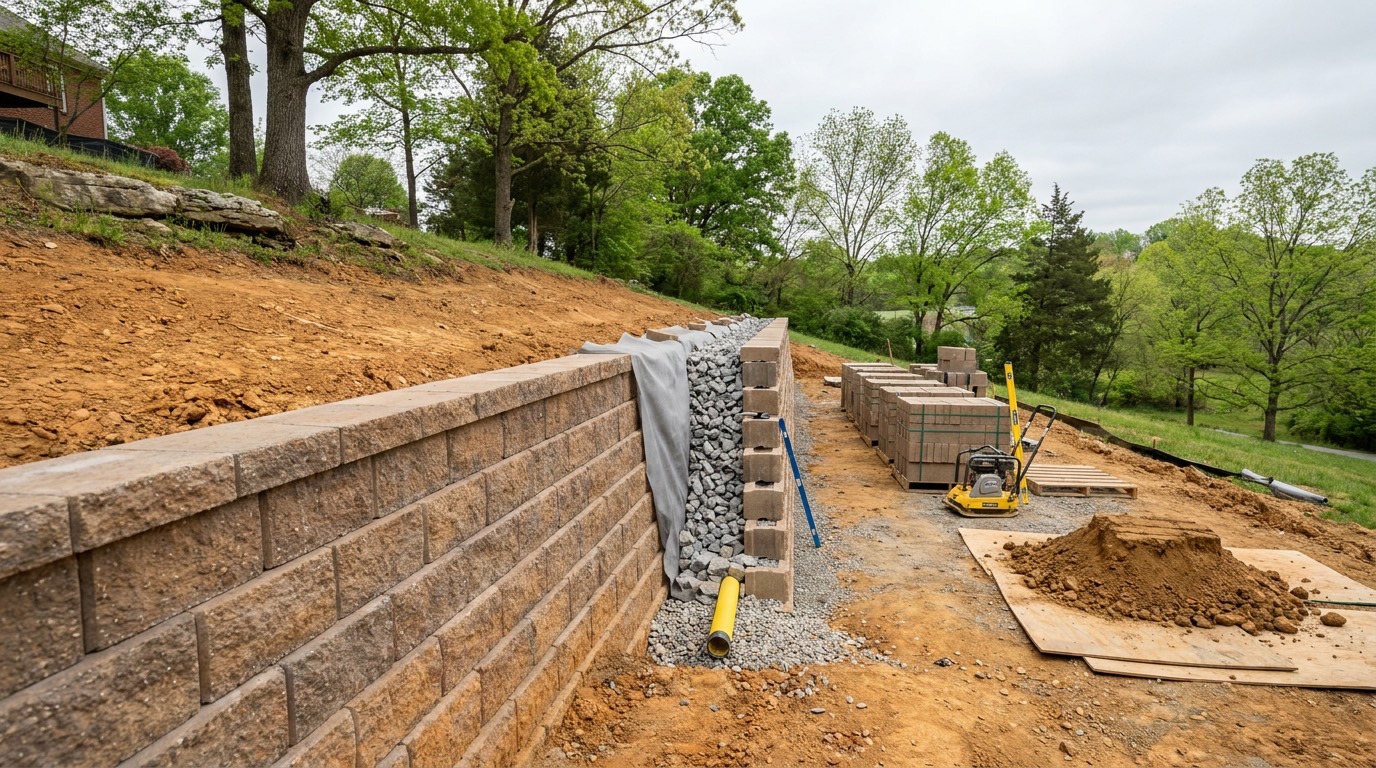
Retaining Walls
Block, brick and stone retaining walls
Learn more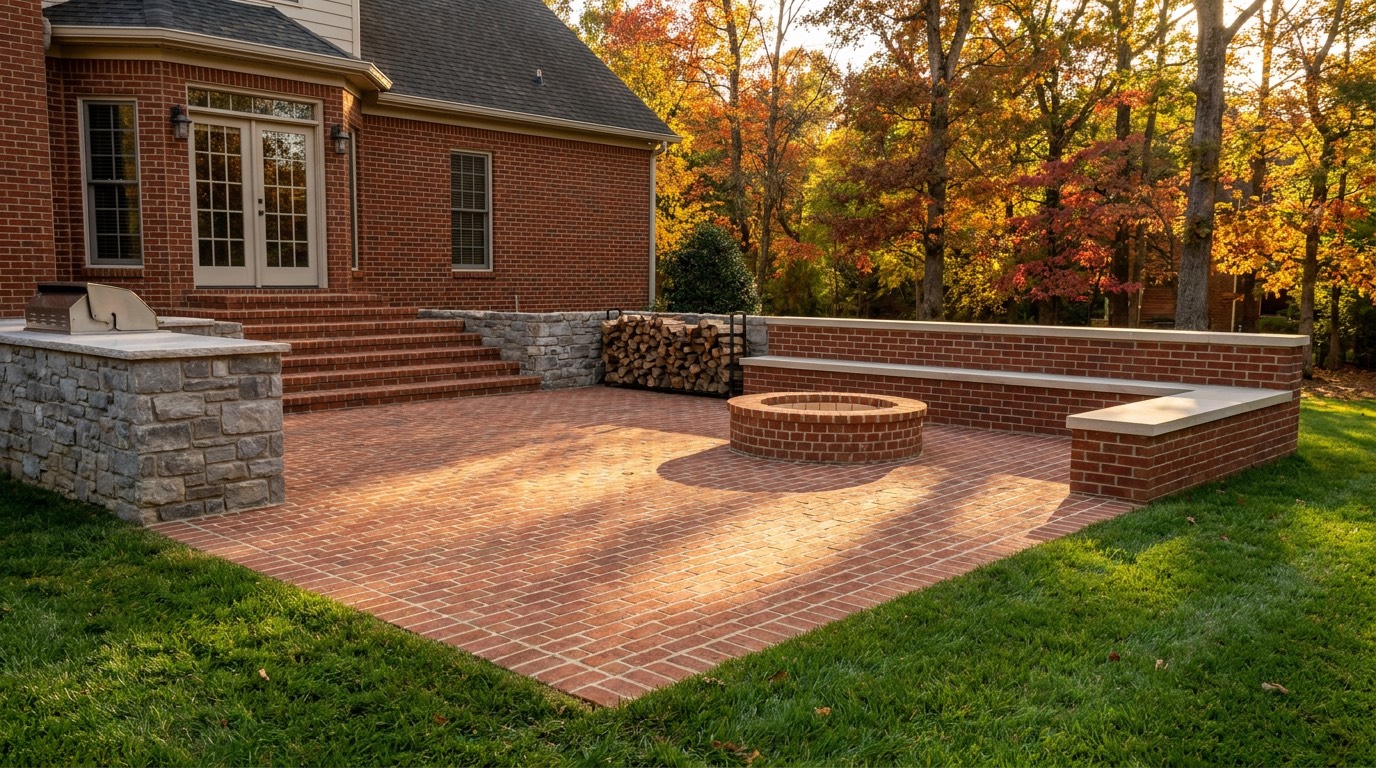
Outdoor Living Masonry
Patios, kitchens, fire pits and seat walls
Learn more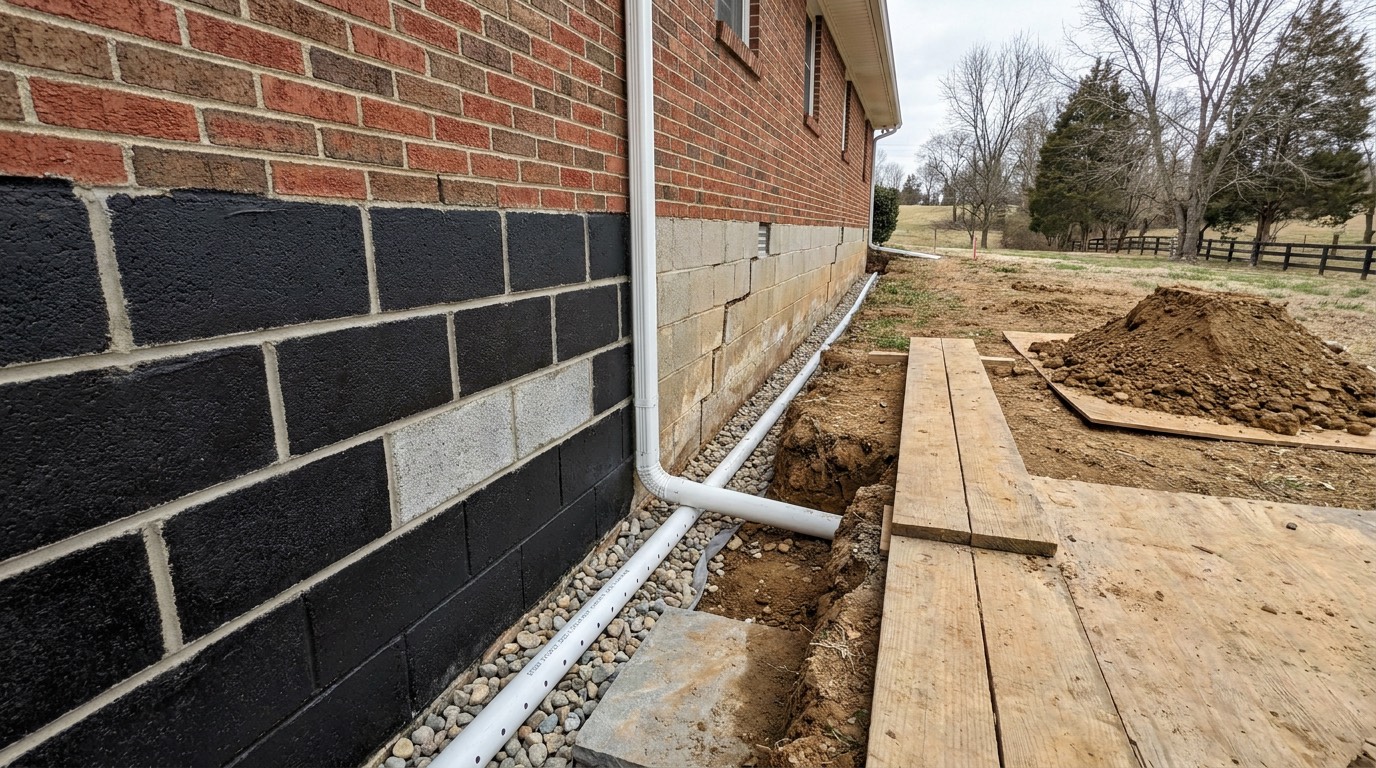
Foundation and Basement Masonry
Foundation repair and basement walls
Learn more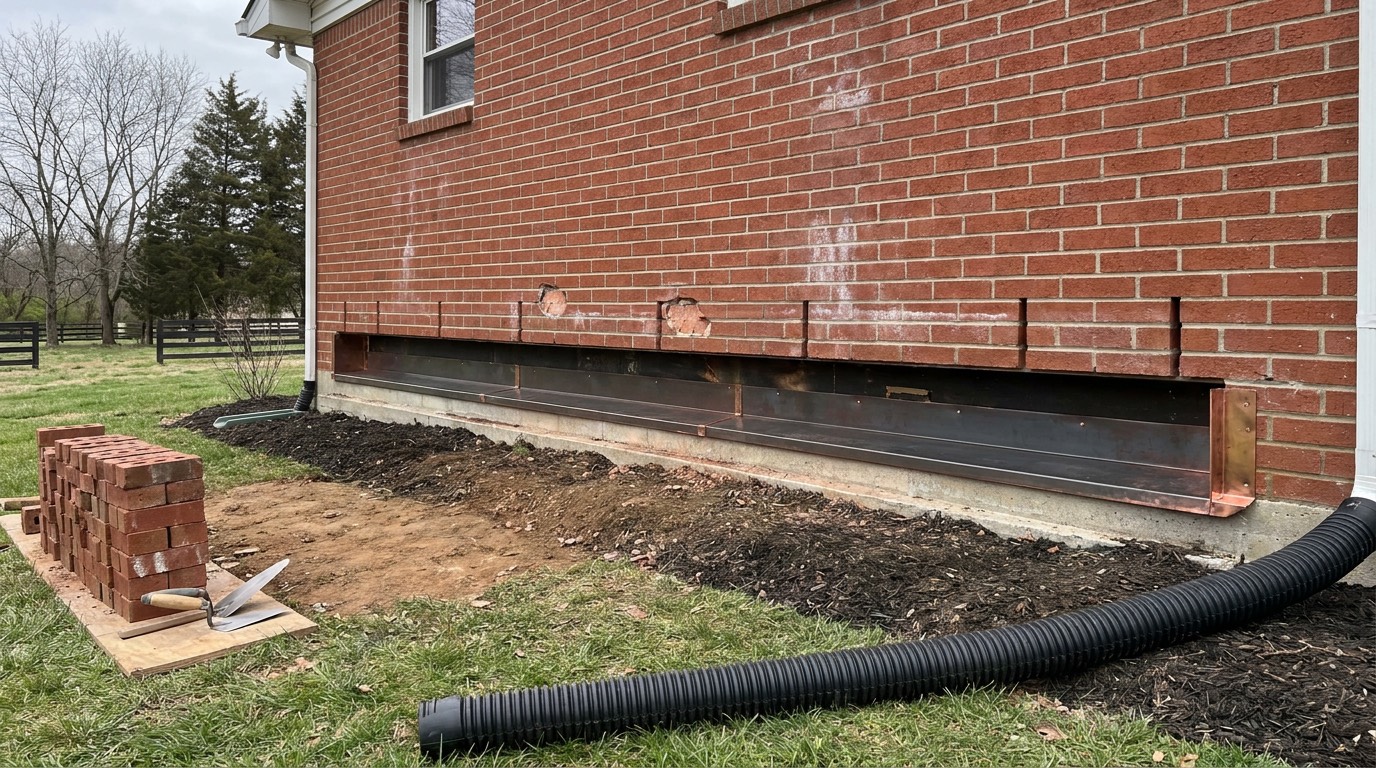
Masonry Waterproofing and Sealing
Sealers, flashing and drainage details
Learn moreStraight answer on your wall.
Call, or send the form and we will get you a written price.