Masonry Waterproofing in Murfreesboro, TN
Water is behind nearly every masonry failure in Middle Tennessee, and freezing water is behind the worst of it. We trace where water enters a wall, fix the detail that let it in, and only then talk about what belongs on the surface.
Request a quote
Four questions, about a minute. We'll call you back.
A brick wall was never meant to be waterproof
This surprises a lot of homeowners, so it is worth saying first. A modern brick veneer wall is a drainage system. Rain soaks into the brick, passes through the joints, runs down the back face of the veneer, lands on flashing and leaves through weep holes at the bottom. The air gap behind the brick exists precisely so that water has somewhere to go. The wall is designed to get wet and then drain.
That changes what waterproofing means. The goal is not to make the outside face impermeable. It is to keep the drainage path working and to close the specific openings where water gets somewhere it was never supposed to reach. Sealing the face of a wall whose drainage path is blocked traps the water inside, and in a climate with real freezes that is worse than doing nothing.
- The cavity behind the veneer is a drainage space
- Through wall flashing collects water and sends it back out
- Weep holes at the base of the wall are the exit
- Blocked weeps and missing flashing are the two most common root causes we find
Where the water actually gets in
Most leaks are not through the field of the wall. They are at the interruptions. Anywhere the masonry stops, turns, or meets something else is where the detail can fail. Head joints above windows, sills that were set flat instead of sloped, chimney crowns that have cracked, copings with open joints, and the flashing at every roof intersection.
The other big category is joints that have simply worn out. Mortar is a sacrificial material. It is meant to be softer than the brick so that it takes the wear, and after enough decades it recedes, cracks and stops shedding water. On the older brick around the Murfreesboro square and the rental stock near MTSU, receding joints are the single most common reason water is getting into a wall.
- Open or recessed mortar joints across a weathered elevation
- Cracked or missing chimney crowns, which act as a funnel
- Sills with no slope and no drip, so water runs back into the wall
- Copings and wall caps with failed joints on freestanding and garden walls
- Step flashing and counterflashing at roof to wall intersections
- Weep holes packed with mortar droppings, paint, insects or landscaping mulch
Flashing and weeps, the parts nobody ever sees
If a wall is leaking above grade, flashing is usually where the story ends. Through wall flashing sits at the base of a veneer, above openings and under sills, and it is what carries collected water back out to the face. When it was omitted, cut short, or lapped the wrong way, the water keeps going and shows up inside on the head of a window or at the base of a wall.
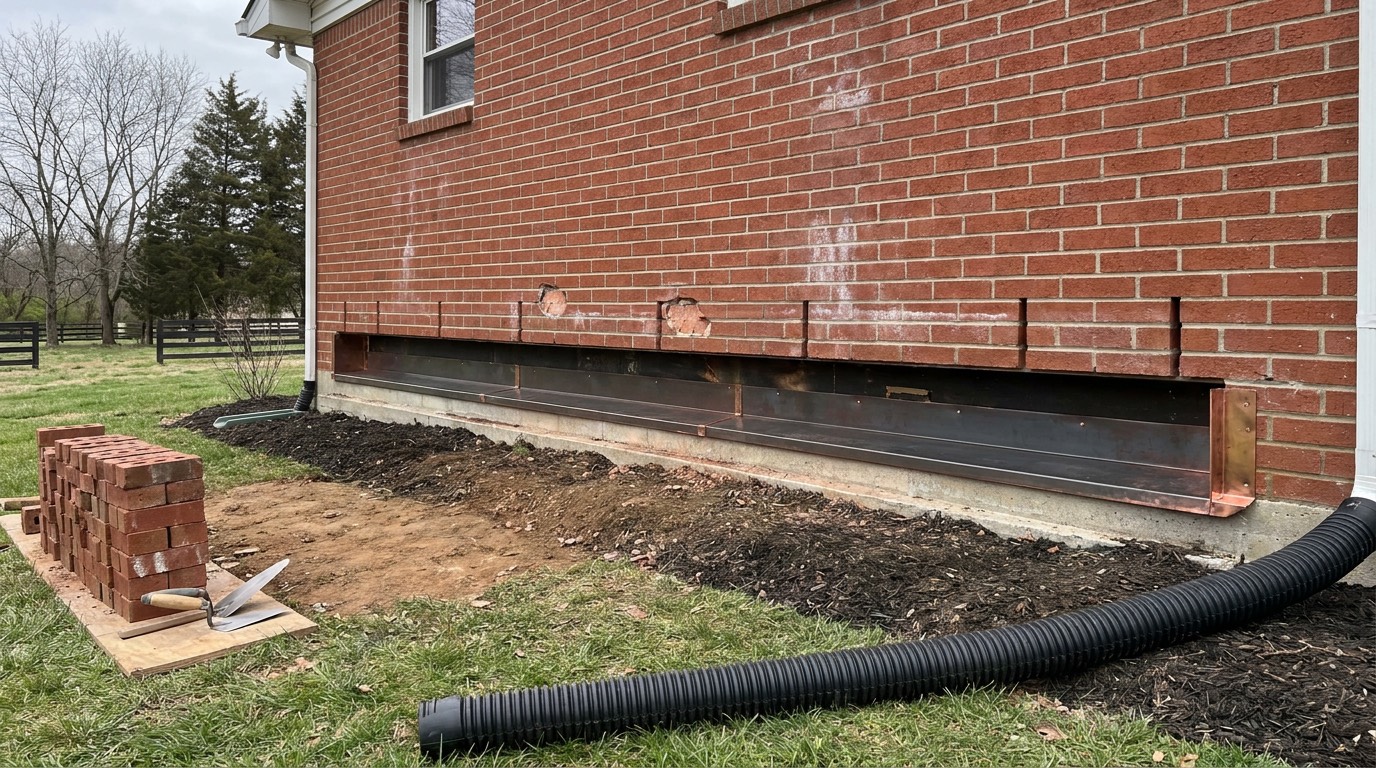
Retrofitting flashing into an existing wall is real masonry surgery. It means removing a course, installing continuous flashing with end dams and proper laps, and rebuilding over it. It is not cheap. But on a wall that leaks every time a storm blows from one direction, it is the only permanent answer, and every sealer sold as an alternative is a delay.
- Clear blocked weeps and add new ones where the spacing is too sparse
- Retrofit through wall flashing over openings and at the shelf where it is missing
- End dams at the terminations, which are skipped more often than the flashing itself
- Rebuild sills with slope and a drip
- New counterflashing let into a reglet where roof and wall meet
Sealers, what they do and what they cannot do
A water repellent is the last step of a waterproofing job, never the whole of it. The right kind is a breathable penetrating repellent, generally a silane or siloxane, which soaks into the masonry and makes the pores shed liquid water while still letting vapor escape. Applied to a sound, dry, properly pointed wall it reduces absorption noticeably, and that matters here because a drier brick is a brick that survives a freeze.
Film forming coatings are the opposite proposition. Elastomerics, waterproof paints and heavy acrylics build a skin on the surface. On a wall that is holding moisture from any source, and every wall in this climate holds some, that skin traps it. Vapor pressure builds behind the film in the sun, and the film pops off taking brick face with it. We do not put film formers on brick, and we will explain why on site rather than argue about it later.
- Breathable silane or siloxane repellent on sound, dry, repointed masonry
- Full repointing and detail repair completed first, never the other way around
- Application in the right temperature window and with the wall dry through
- Reapplication expected in the range of five to ten years depending on exposure
- No film forming coatings, waterproof paint or elastomeric on absorbent brick
Freeze-thaw is what turns a wet wall into a broken one
In a warm climate a wet wall is mostly a staining and mold problem. Here it is a demolition problem. Water sitting in the pores of a saturated brick expands when it freezes, and it has nowhere to expand to. Something has to give, so the face of the brick pops off. Do that across December, January and February for several years and an elevation goes from cosmetically stained to structurally thin.
This is why we treat waterproofing as urgent work on walls that are already spalling, and why the north and west elevations usually need the most attention. They see the driven rain, they get the least sun, and they stay wet longest into a cold snap. It is also why we will not seal a wall that is currently wet inside. Locking water into masonry before a Tennessee winter does more damage in one season than the leak would have done in five.
- Spalled and flaking brick faces, especially low on a wall
- Damage concentrated on the north and west elevations
- Efflorescence, the white powdery bloom left as water evaporates out
- Damage clustered under a leaking gutter, a downspout or a valley
Grade, gutters and groundwater
Plenty of what gets called a wall leak is really a site drainage problem meeting a wall. If the ground falls toward the house, if a downspout dumps at a corner, if a flower bed has been built up over the weep course, then water is being delivered to the base of the masonry every time it rains. Fixing that is cheaper than any repair inside the wall, and we look at it before we quote anything else.
Below grade the karst geology in Rutherford County can put water where you do not expect it. Springs and seasonal flow through limestone mean some crawlspaces and basements take water from the side rather than from above. There the answer is a footing drain in clean stone with a route to daylight or a sump, plus a parged and damp proofed exterior face. Interior systems manage water that has already arrived, which has its place, but it is the second choice where excavation is possible.
- Regrade so surface water runs away from the wall for the first several feet
- Extend downspouts well clear of the foundation and keep gutters flowing
- Pull mulch and soil back below the weep course
- Footing drain in washed stone with filter fabric, discharging to daylight or a sump
- Parging and damp proofing on any below grade face we open up
What a real waterproofing scope looks like on paper
A proposal worth accepting names the entry point. If it just says clean and seal the brick, you are buying a few years and probably some trapped moisture. We write down where we believe the water is getting in, what evidence points there, what we are repairing to close it, and what happens if opening the wall shows something worse. That last part is honest rather than pessimistic. You cannot see behind a veneer until you take some of it off.
Timing matters too. This is seasonal work. Repointing and sealing want mild, dry conditions, and mortar work generally stops below about 40 degrees without cold weather protection. That gives Middle Tennessee a real winter slowdown, so a wall diagnosed in November may be better repaired in March unless it is actively leaking into the house.
- A stated entry point and the evidence behind it
- Detail repairs listed individually, not lumped as miscellaneous
- Whether flashing is being retrofitted or excluded, said plainly
- The specific repellent product and its expected service life
- Weather and temperature conditions required for each stage
- What is done if opening the wall reveals more damage
Masonry Waterproofing and Sealing across our area
All areas →Questions about masonry waterproofing and sealing in Murfreesboro
Will sealing my brick stop the leak?
Usually not on its own. A breathable repellent reduces how much water the face of the brick absorbs, which genuinely helps with freeze damage and staining. It does not fix an open joint, a missing flashing, a cracked chimney crown or a blocked weep, and those are what most leaks turn out to be. Sealer is the final coat on a completed repair, not a substitute for one.
What is the white powder on my brick, and does it mean trouble?
That is efflorescence, salt left behind when water moves through masonry and evaporates at the surface. On a new wall it is common in the first year and usually fades. On an older wall that keeps producing it, it is telling you water is moving through that spot repeatedly, so it is a symptom worth tracing rather than just scrubbing off.
Should I waterproof a 19th century brick building?
Very carefully, and often not with a repellent at all. Historic soft brick and lime mortar depend on being able to breathe, and the National Park Service preservation guidance on historic masonry is consistently cautious about surface treatments for exactly this reason. On the older buildings around the Murfreesboro square, the right work is almost always correct repointing with a soft, compatible mortar plus fixing the roof, gutters and grade. Ask us before anything gets applied to a historic wall.
Water comes into my basement after heavy rain. Is that masonry work?
Partly, and partly not. If it is coming through cracks or joints in the wall, the masonry needs repair. If it is arriving because the ground outside is saturated and there is no footing drain, the masonry could be perfect and you would still get water. We look at both, and we will tell you which one is driving it rather than selling you the half we do.
How often does a masonry repellent need redoing?
Plan on somewhere in the five to ten year range, with exposure driving where you land in it. A sheltered elevation goes longer. A north or west wall taking driven rain and hard freezes goes shorter. There is a simple test you can do yourself. Spray the wall with a hose, and if the water darkens the brick and soaks in instead of beading and running off, the treatment has worn out.
Other services
All services →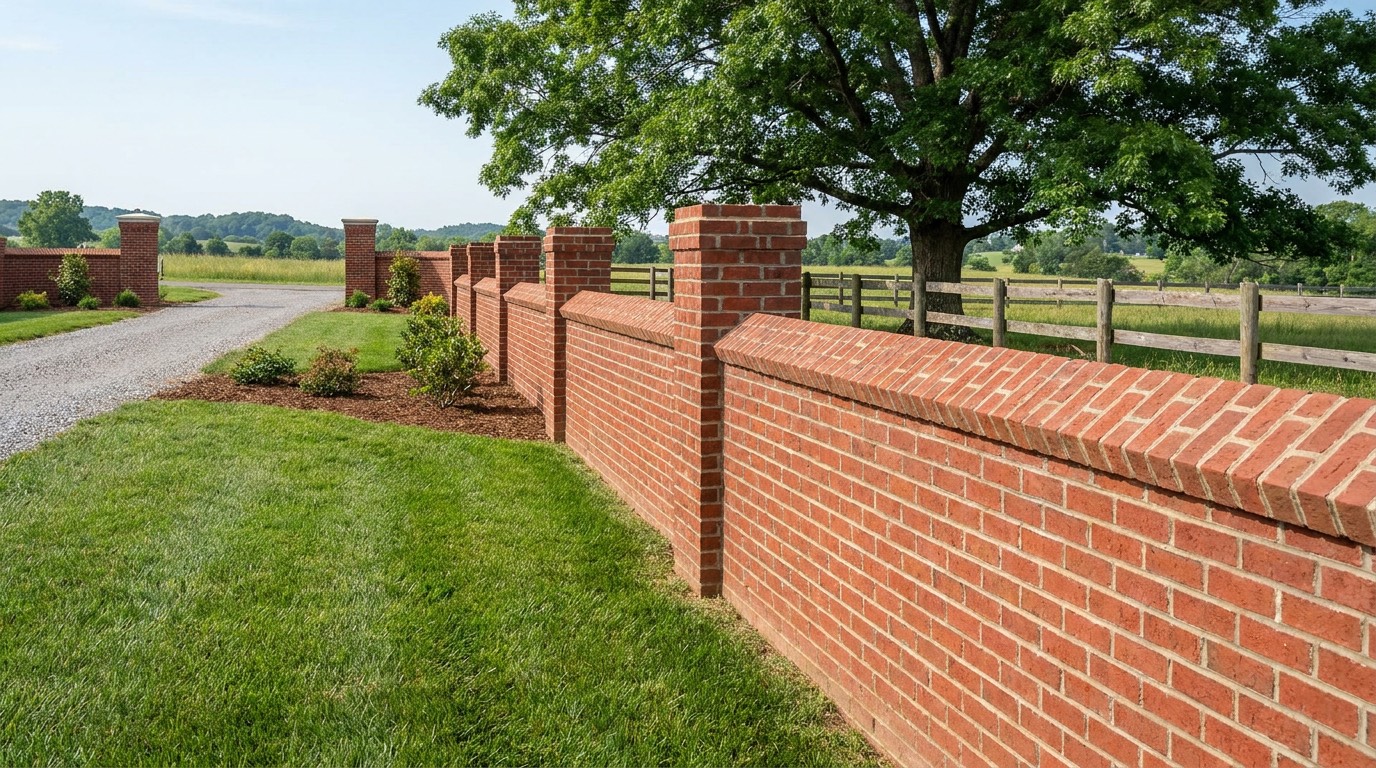
Brick Masonry
New brickwork, walls, columns and steps
Learn more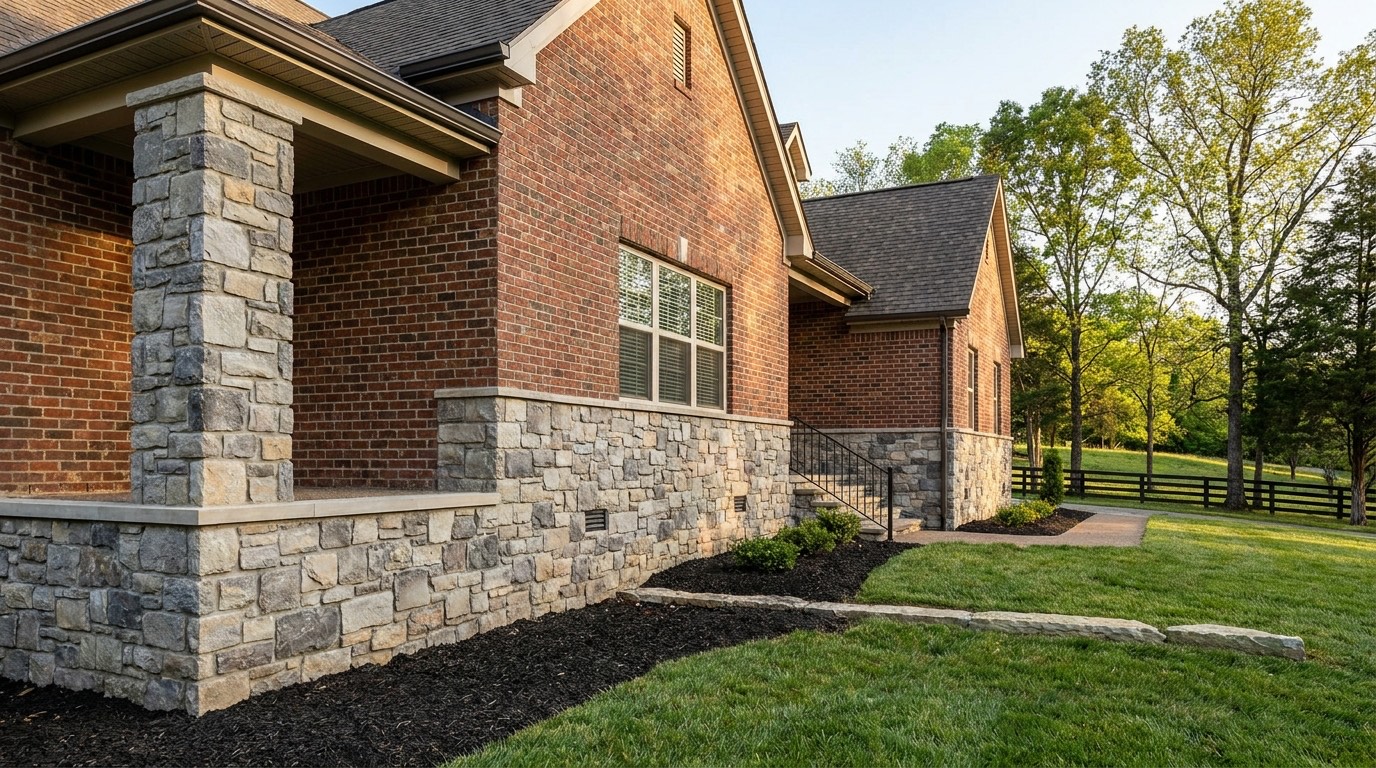
Stone Masonry
Natural and manufactured stone installation
Learn more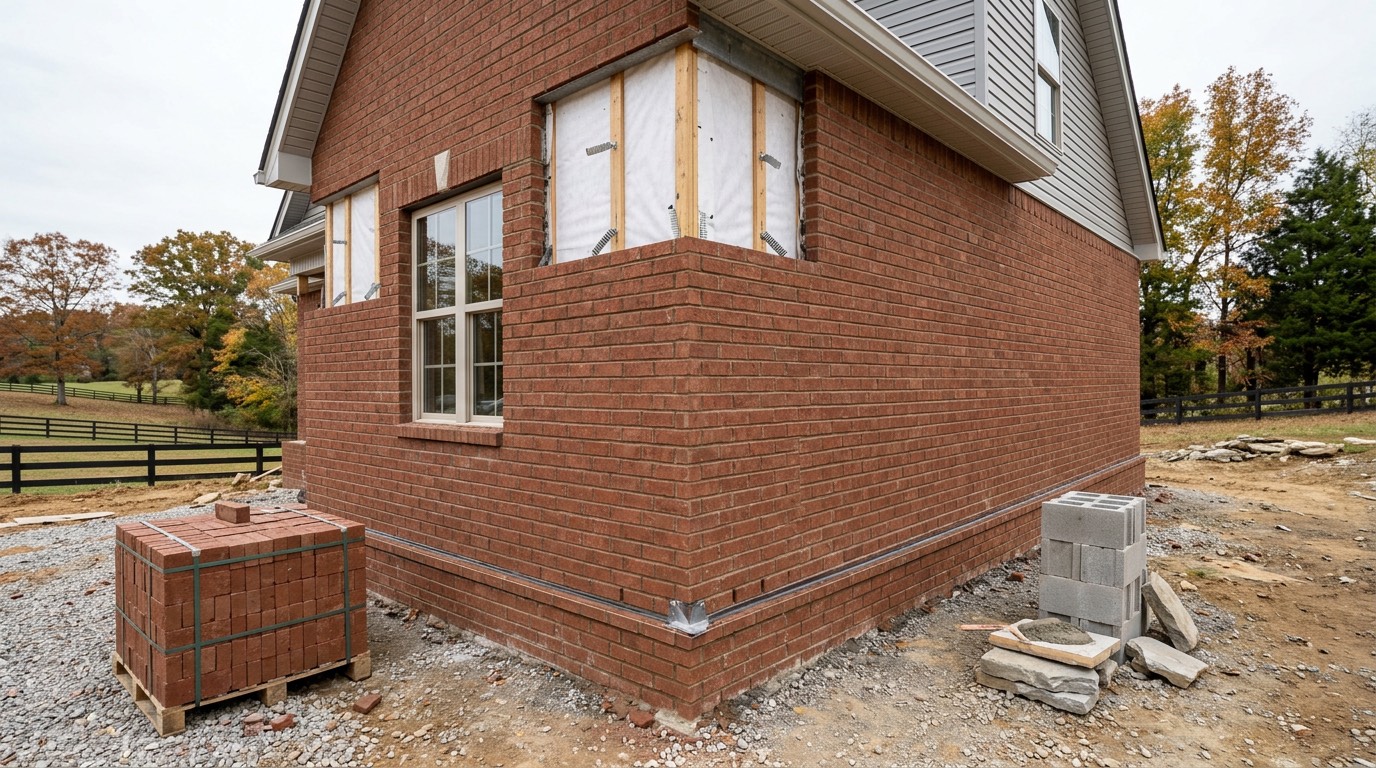
Brick Veneer Installation
Veneer over frame or block walls
Learn more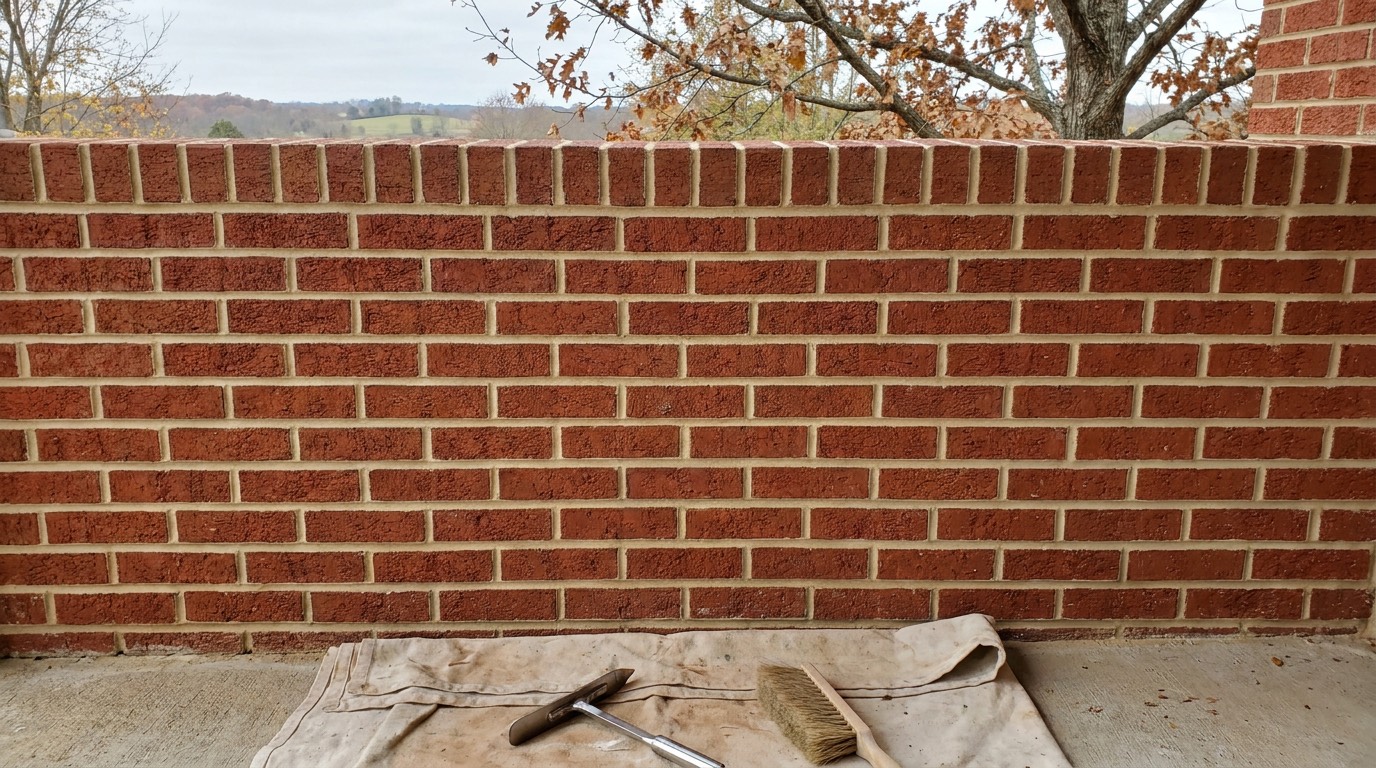
Tuckpointing and Repointing
Replacing failed mortar joints
Learn more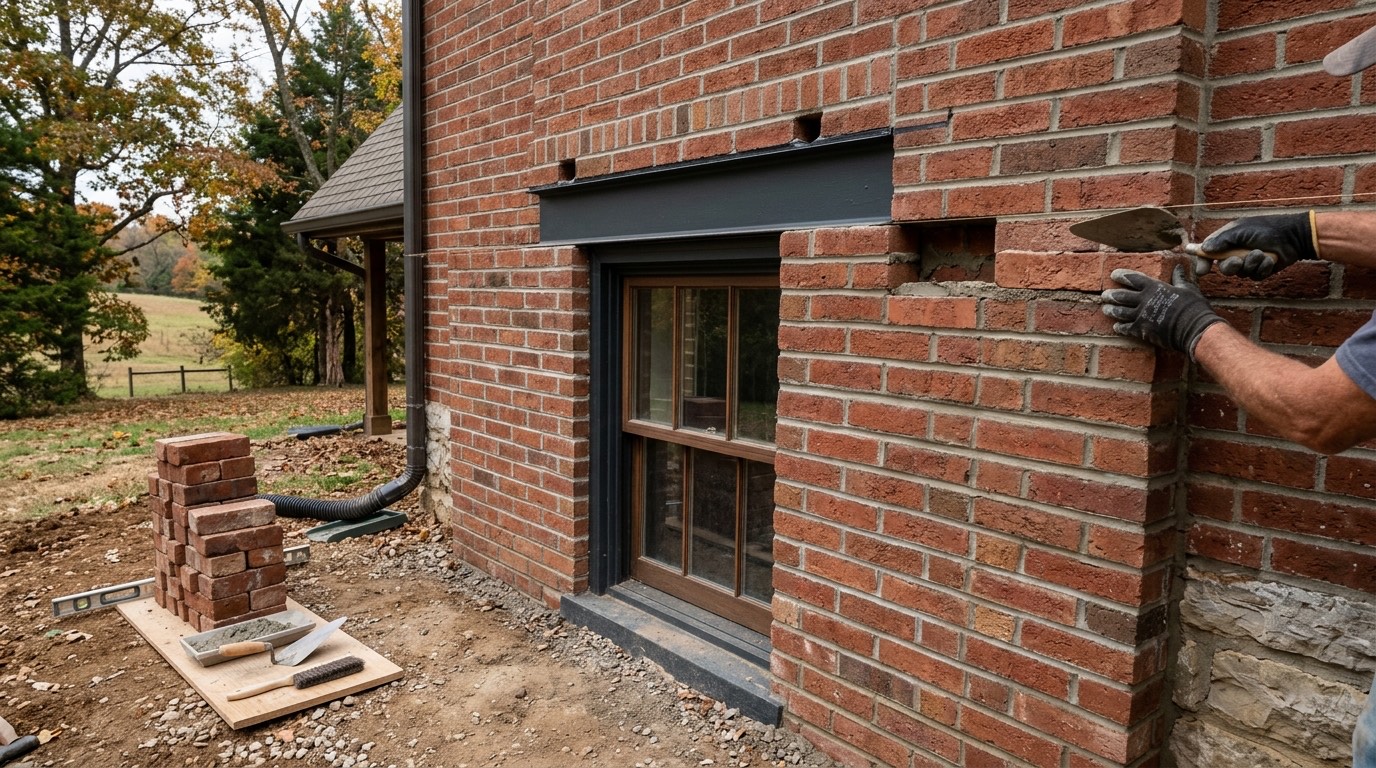
Masonry Repair and Restoration
Cracks, settlement and rebuilds
Learn more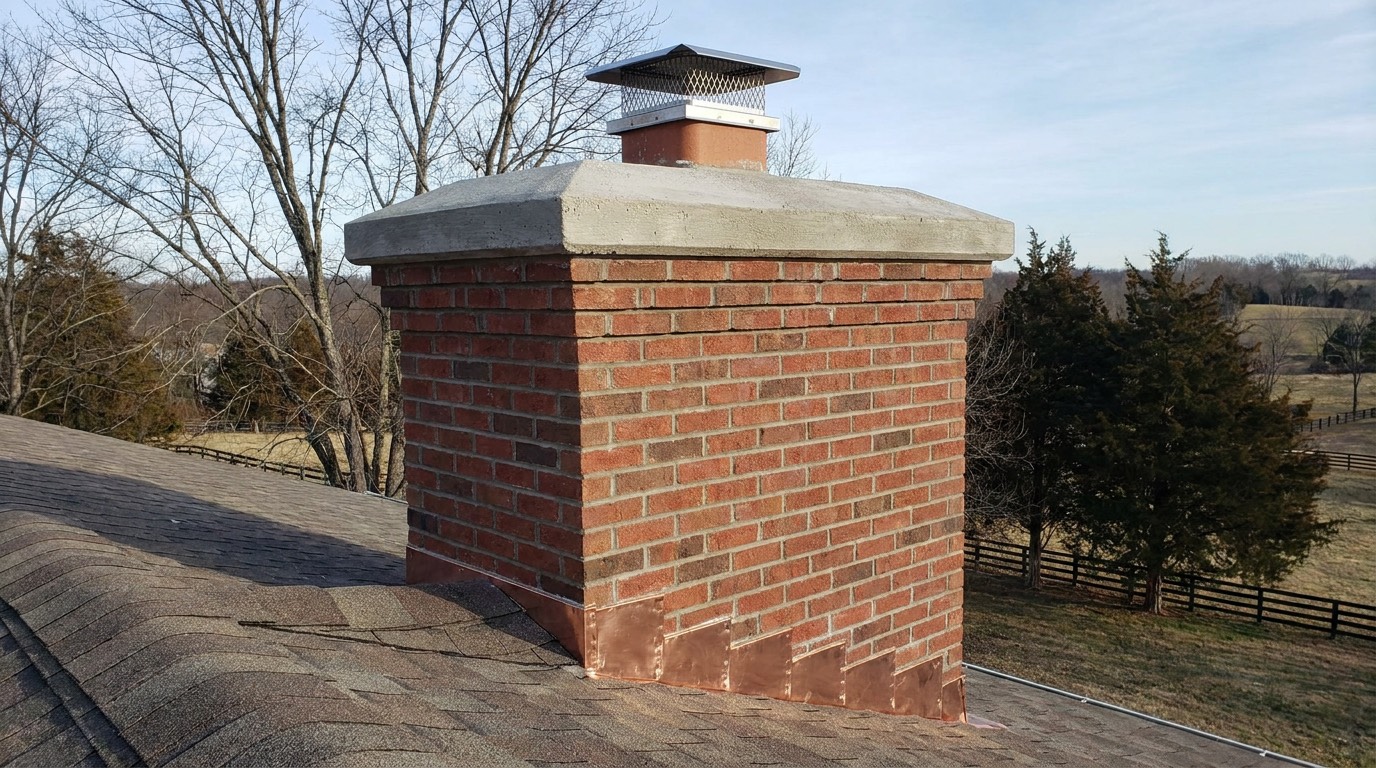
Chimney Masonry Repair
Crowns, flashing, rebuilds and relining
Learn more
Brick Fireplaces
Indoor and outdoor fireplace masonry
Learn more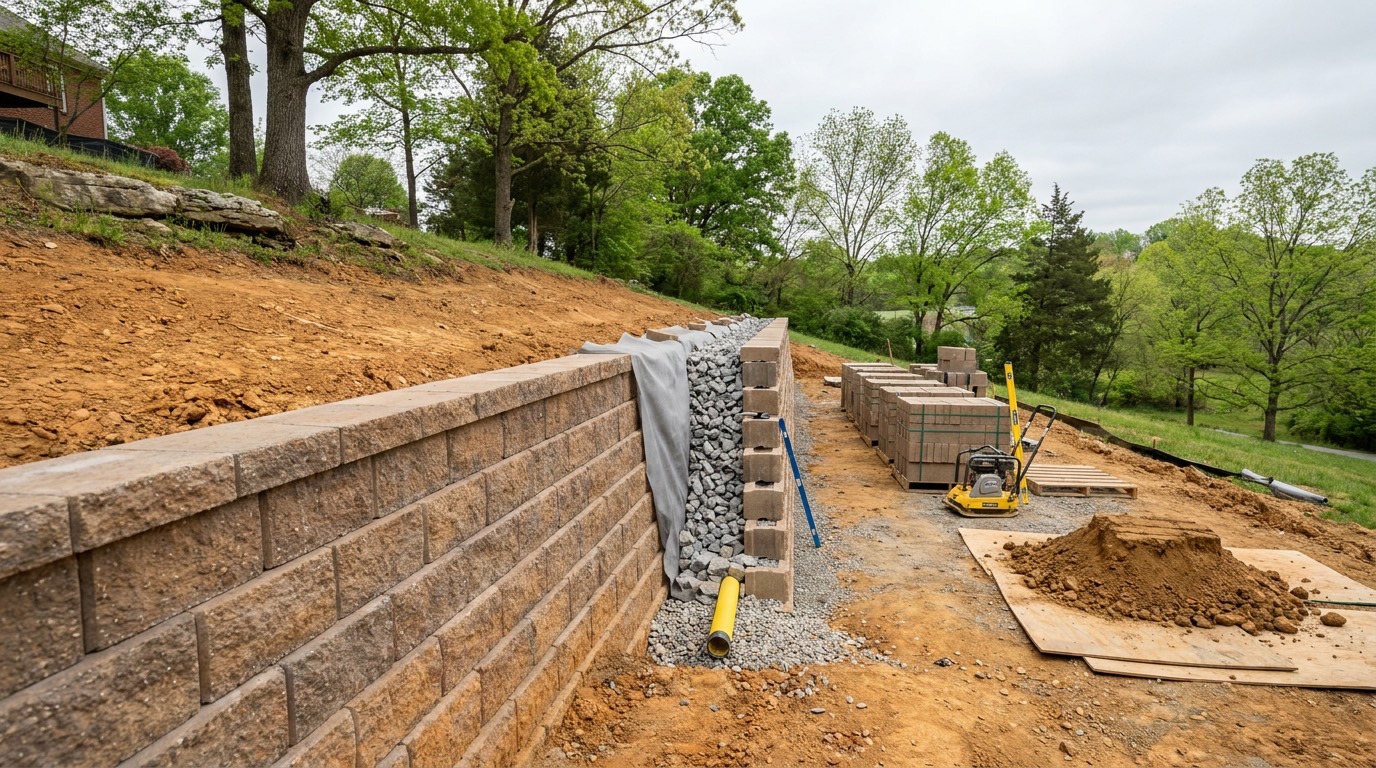
Retaining Walls
Block, brick and stone retaining walls
Learn more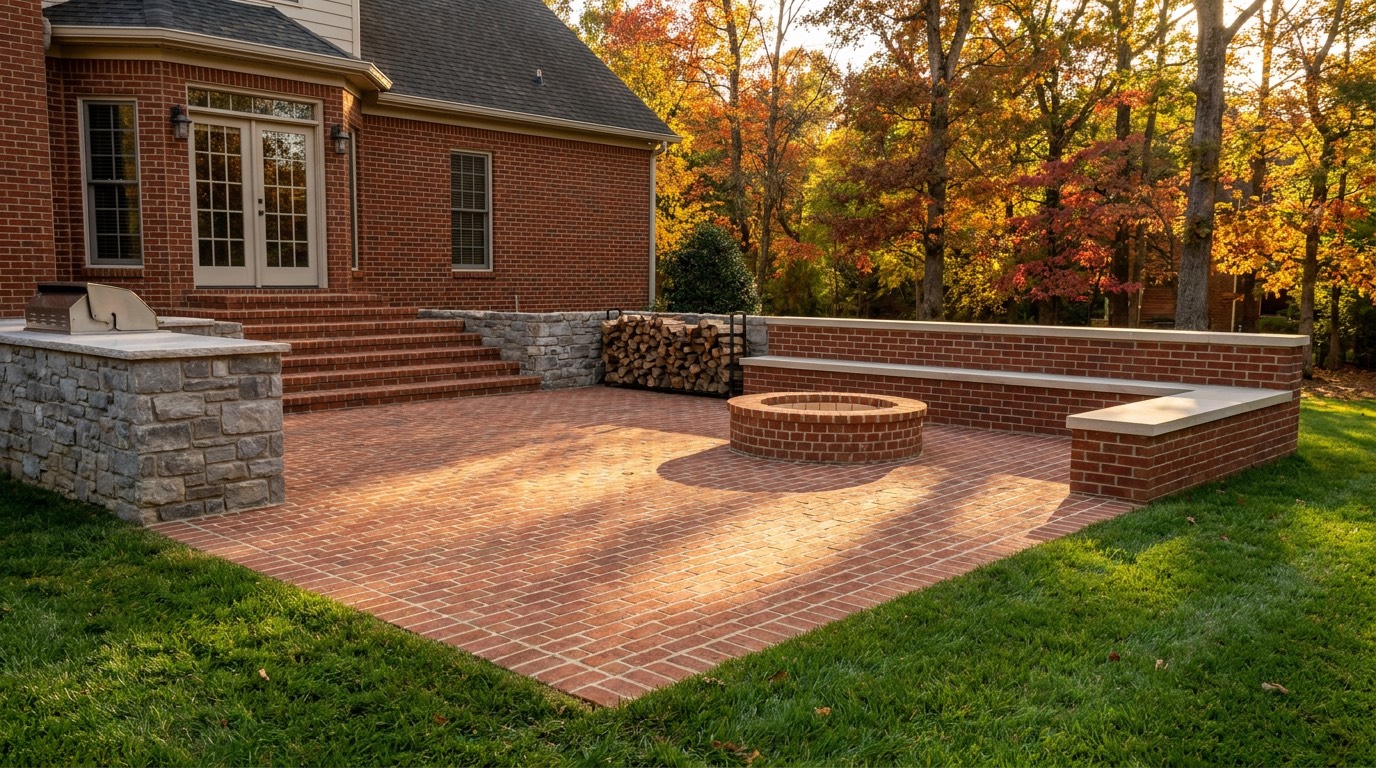
Outdoor Living Masonry
Patios, kitchens, fire pits and seat walls
Learn more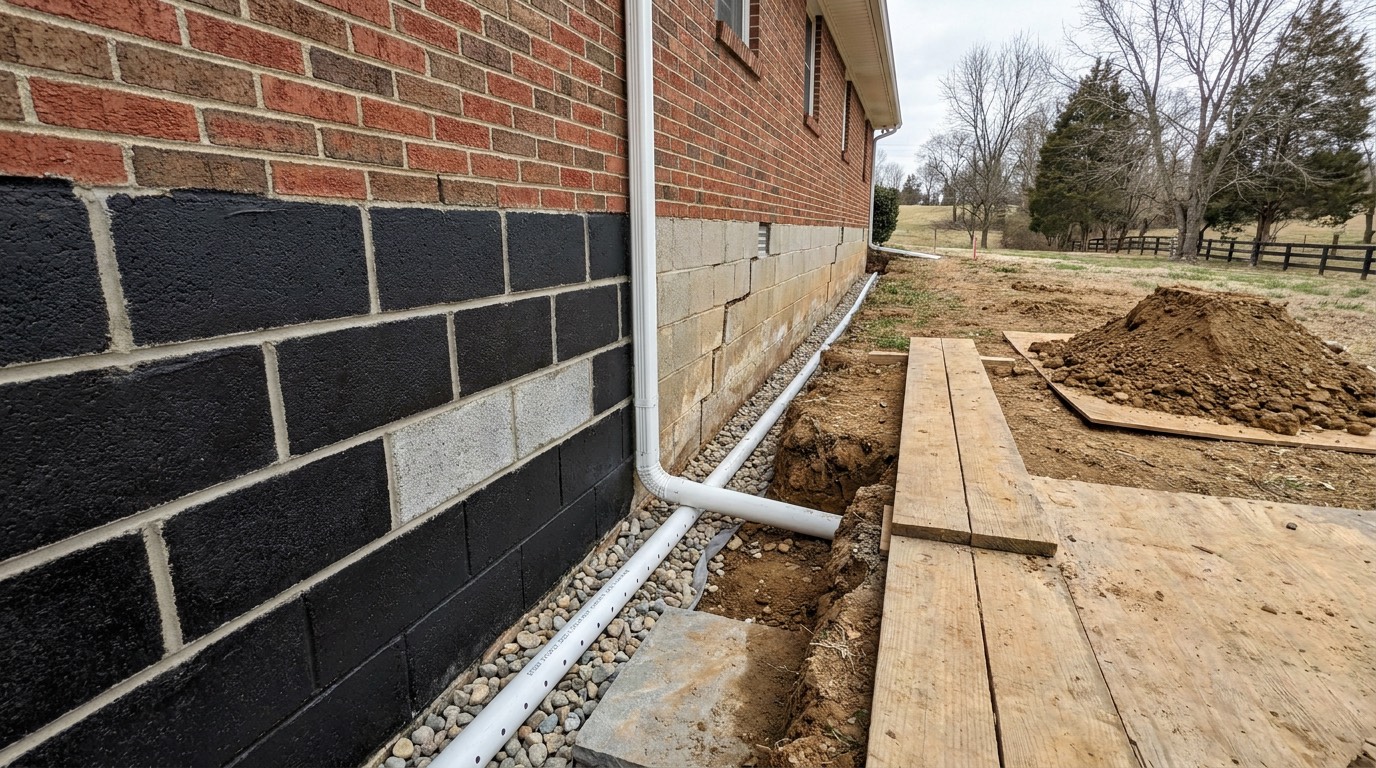
Foundation and Basement Masonry
Foundation repair and basement walls
Learn more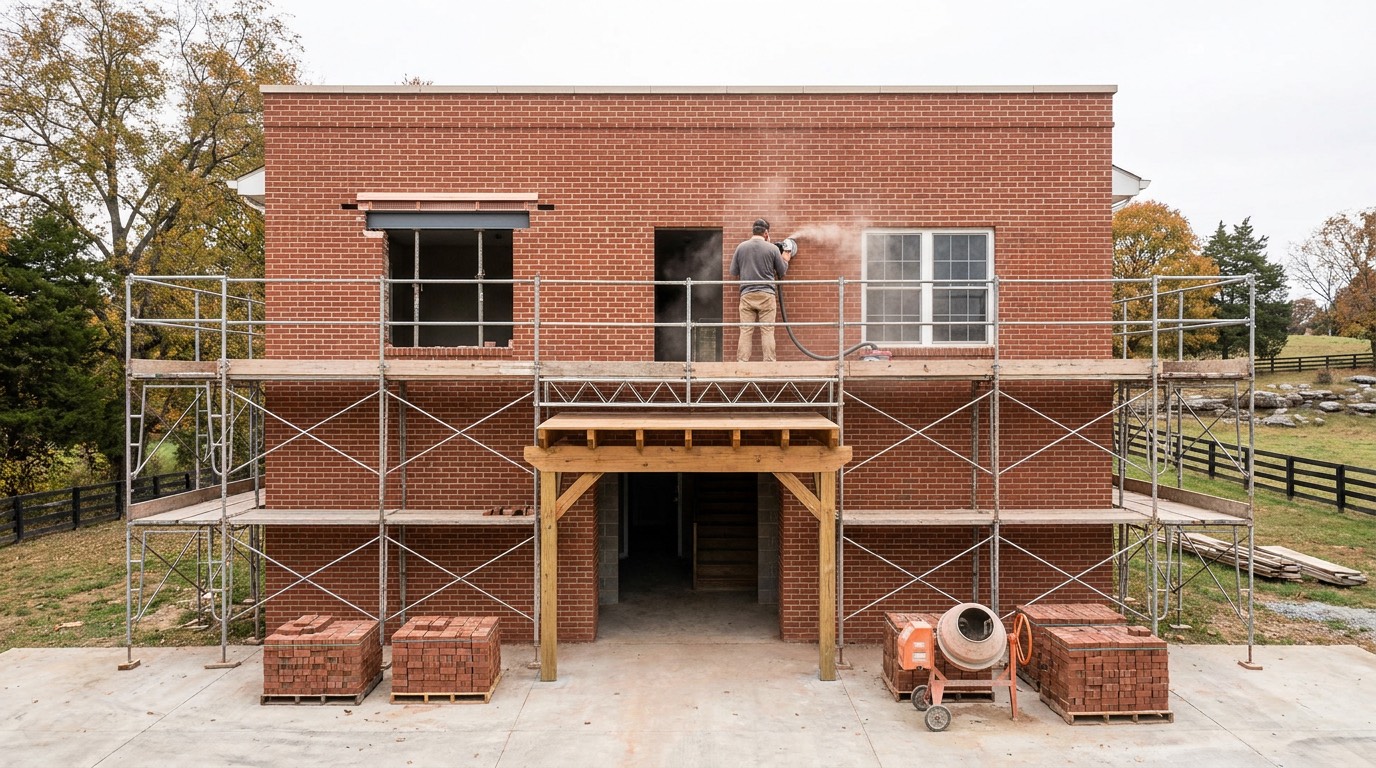
Commercial Masonry
Retail, multi-family and light commercial
Learn moreStraight answer on your wall.
Call, or send the form and we will get you a written price.