Masonry Work in Smyrna, Tennessee
Smyrna is a short run up I-24 and we are in it most weeks. Nearly everything we touch there is brick veneer on a house built during the metro growth years. That stock is not old, but it has reached the age where the details nobody looked at during the build start showing on the outside of the wall.
Request a quote
Four questions, about a minute. We'll call you back.
A Young Housing Stock With Grown Up Problems
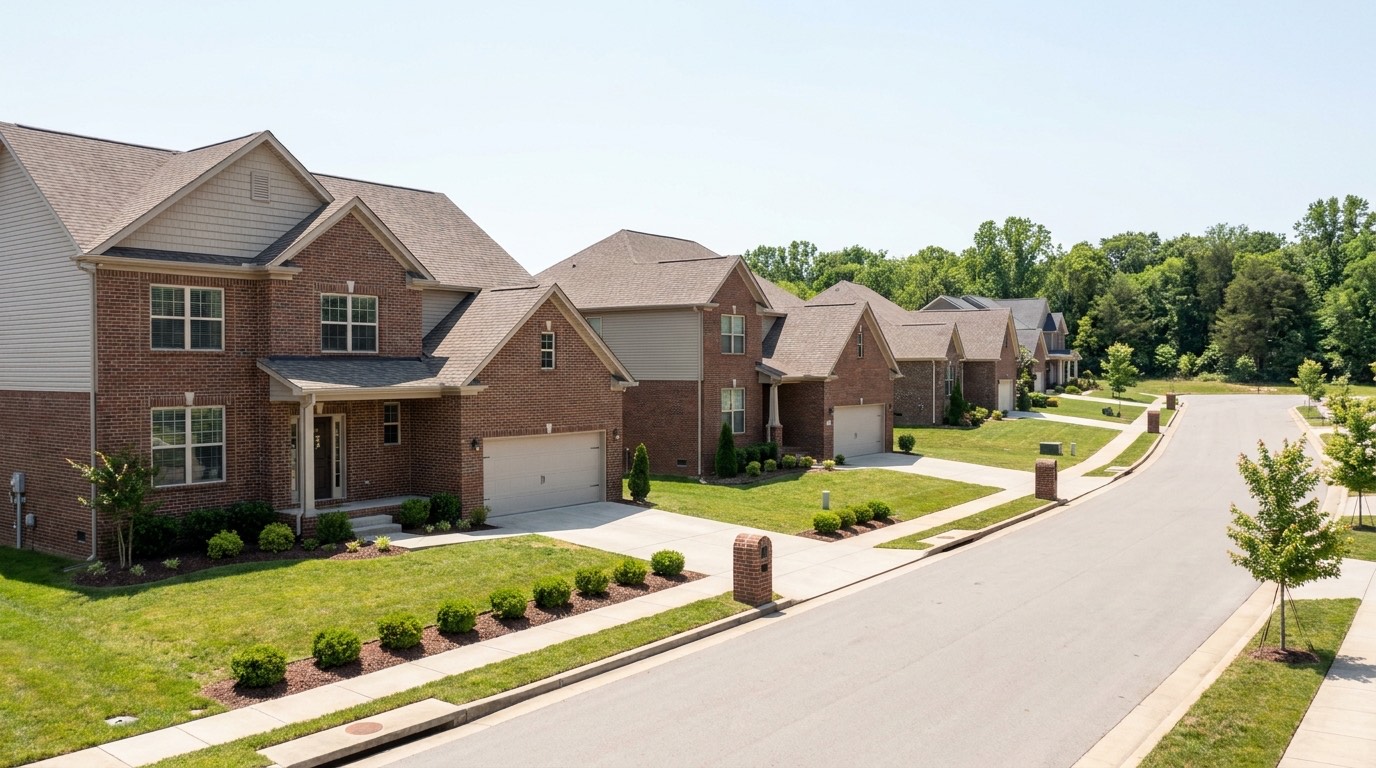
Smyrna filled in fast around the Nissan plant and the I-24 corridor. Drive Sam Ridley Parkway, Almaville Road or anything off Rocky Fork and you are looking at subdivisions built quickly and in volume. Most of that work is fine. The share that is not fails in the same handful of places, which makes diagnosis faster here than in an older town.
There is a second Smyrna that gets overlooked. The streets near the middle of town and the neighborhoods around the old air base hold brick ranch houses from the middle of the last century. Those have softer mortar, thicker walls and chimneys built for a different era of heating. We look at which Smyrna your house belongs to before we say a word about a fix.
- Stair step cracks running up the corner of a veneer wall
- A straight horizontal crack in the brick above the garage door
- Weep holes at the bottom course that have been filled with mortar or caulk
- Front stoops and portico columns pulling away from the house
- Older in town ranches with washed out joints and unlined flues
Lintels and Weep Holes Are Where Newer Veneer Fails
Brick veneer is not holding your house up. It is a rain screen hung on the frame with metal ties, with an air space behind it. Water gets through brick and mortar, and that is expected. The system depends on that water draining back out through the weep holes along the bottom course.
Two failures account for most of what we see in Smyrna. The first is the steel lintel over a garage door or a wide front window. Water sits on the steel, the steel rusts, rust swells to several times the volume of the metal it came from, and the brick above gets lifted. You get a clean horizontal crack at the head of the opening. The second is a drainage path that never worked. Mortar droppings piled up in the cavity during the build, or somebody sealed the weeps because they looked like sloppy joints. Water then has nowhere to go but into the sheathing.
Neither one means the elevation comes down. We take out the affected brick, clear or replace what is behind it, and relay. Skimming mortar across the crack is not a repair, and it comes back through the patch after the first hard freeze.
Fill Dirt, Stoops and Porch Columns
Subdivision lots here get cut and filled to make a flat building pad. The house itself sits on a footing dug to bearing. The front stoop, the porch slab and the brick columns under a portico often sit on whatever fill was in place the day the concrete truck arrived. Fill settles. The house does not. That difference is the single most common reason a Smyrna homeowner calls us.
Middle Tennessee clay makes it worse. It shrinks through a dry August, then swells when the fall rain comes back. A stoop on poorly compacted fill rides that movement every year.
The fix depends on whether the movement has stopped. If a stoop has settled and stabilized, resetting the brick and rebuilding the joints will hold. If it is still going, we rebuild on a footing that reaches undisturbed ground, otherwise you pay twice. Hairline cracking on a porch column is often worth watching for another year instead, and we will say so.
HOA Architectural Control and Making a Repair Disappear
Most newer Smyrna neighborhoods sit under an HOA with architectural standards, and visible exterior work often needs approval before a crew shows up. We do not know what your association requires and will not guess at it. Pull your covenants or email the management company early, and ask about repairs to a street facing elevation.
What we can control is whether the finished repair reads as a patch. Brick changes color as it weathers, so a unit off a pallet today will not match a twenty year old wall even under the same product name. We salvage instead. Matching brick comes off a garage return or a rear elevation, goes into the visible repair, and the donor area gets new material where nobody stands.
Mortar is the half people forget. Color, sand and the way the joint is tooled all have to line up. We mix samples on site and let them cure before anything goes on the front of your house.
- Ask the HOA about approval before we are on the schedule, not after
- Salvage brick from a low visibility wall for any front elevation repair
- Match mortar color, sand and joint profile, not the brick alone
- Cure sample joints on site before committing to the wall
- Keep before and after photos as a record for the association file
What Happens When You Call Us Out
We walk the full exterior, get a ladder on anything we cannot read properly from the ground, and look at the grade and the downspouts while we are there. You get a written scope that splits the work into what is letting water in or moving, and what is purely cosmetic. That way the budget goes where it does something.
One scheduling note. Mortar will not cure right in the cold, so laying and repointing generally stop below about forty degrees unless the job is small enough to tent and heat. If you are calling in November hoping to have a wall closed before winter, say so and we will be straight about whether it fits.
Services in Smyrna
All services →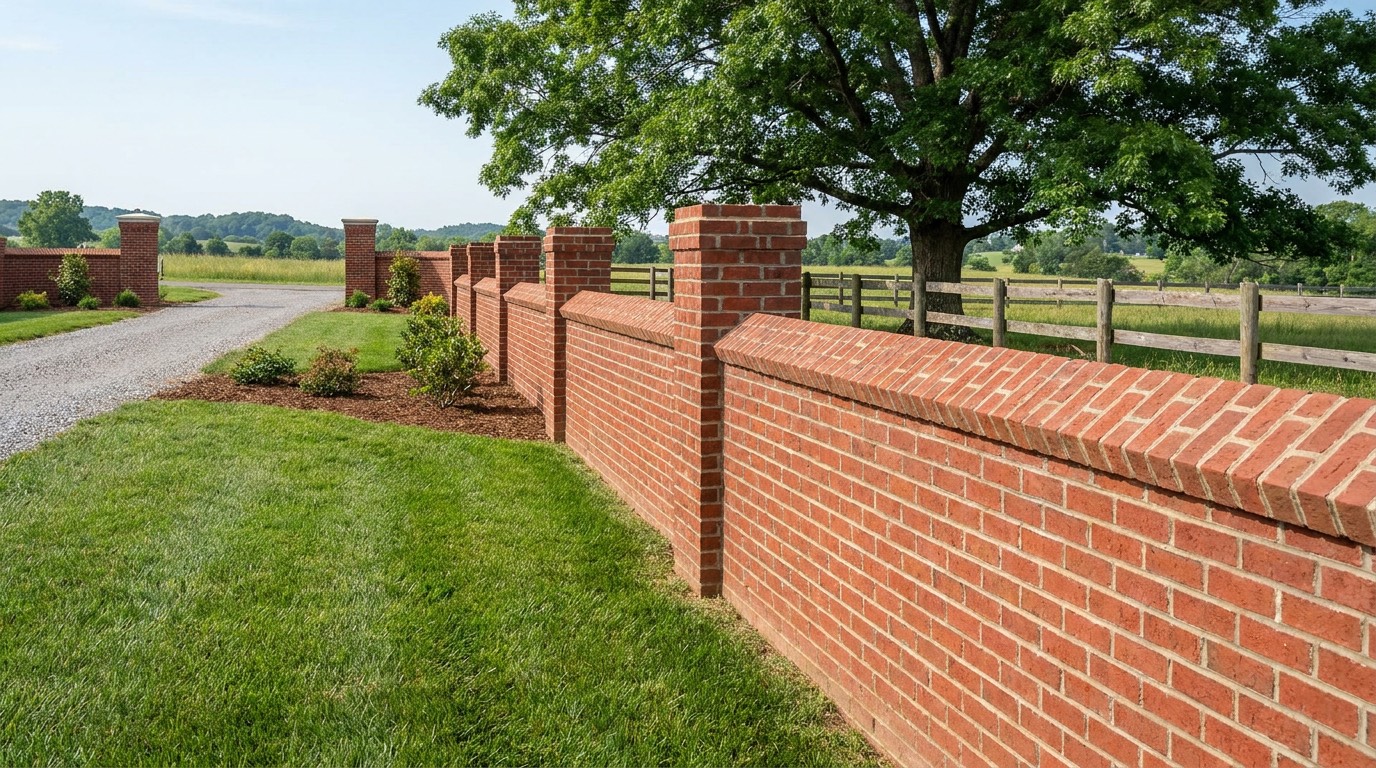
Brick Masonry
New brickwork, walls, columns and steps
Learn more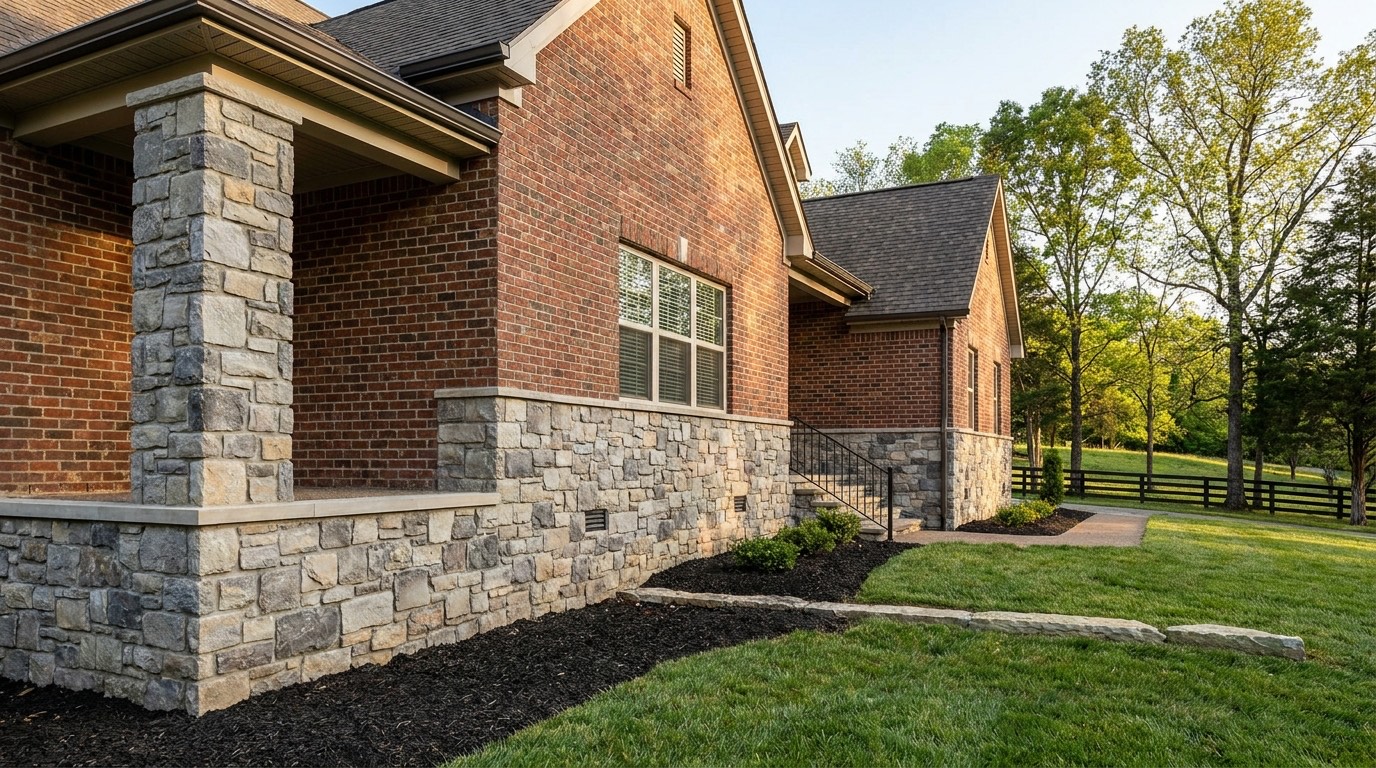
Stone Masonry
Natural and manufactured stone installation
Learn more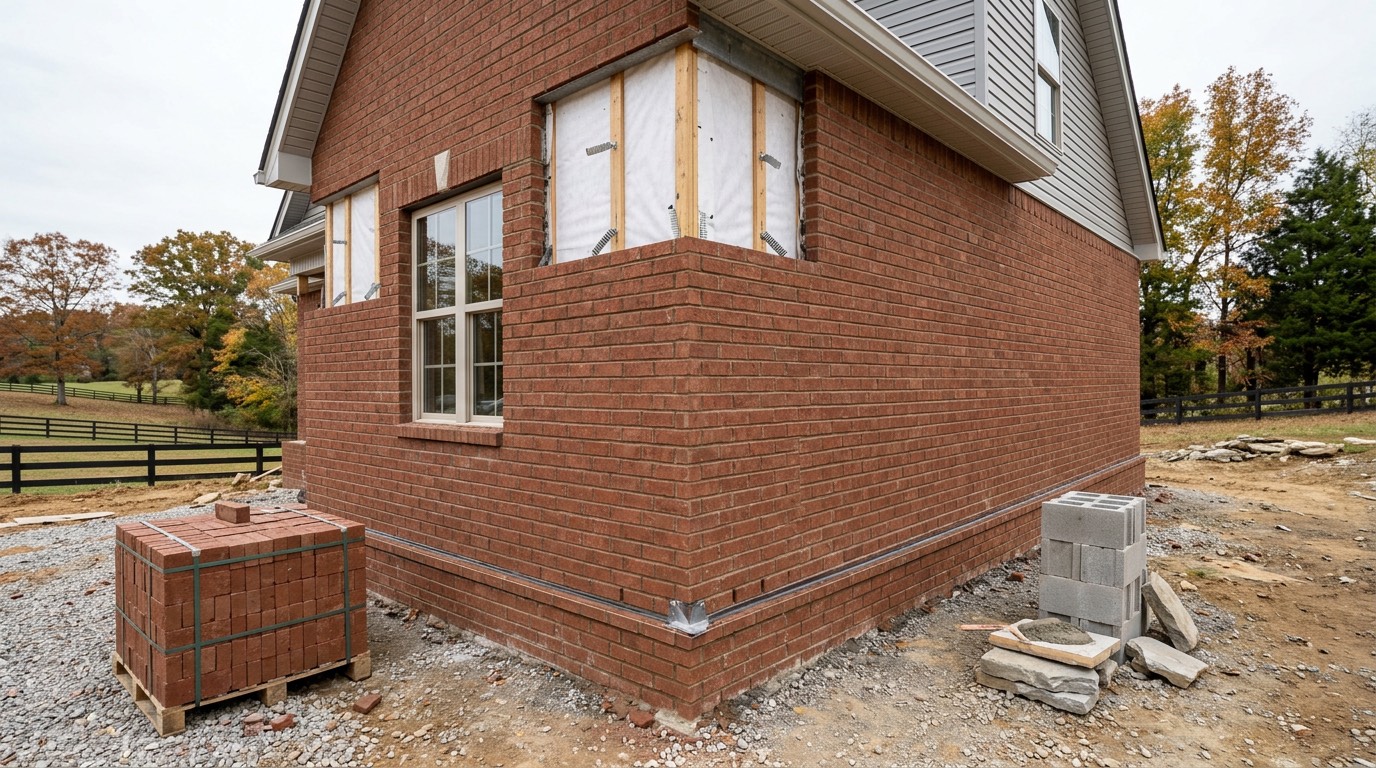
Brick Veneer Installation
Veneer over frame or block walls
Learn more
Tuckpointing and Repointing
Replacing failed mortar joints
Learn more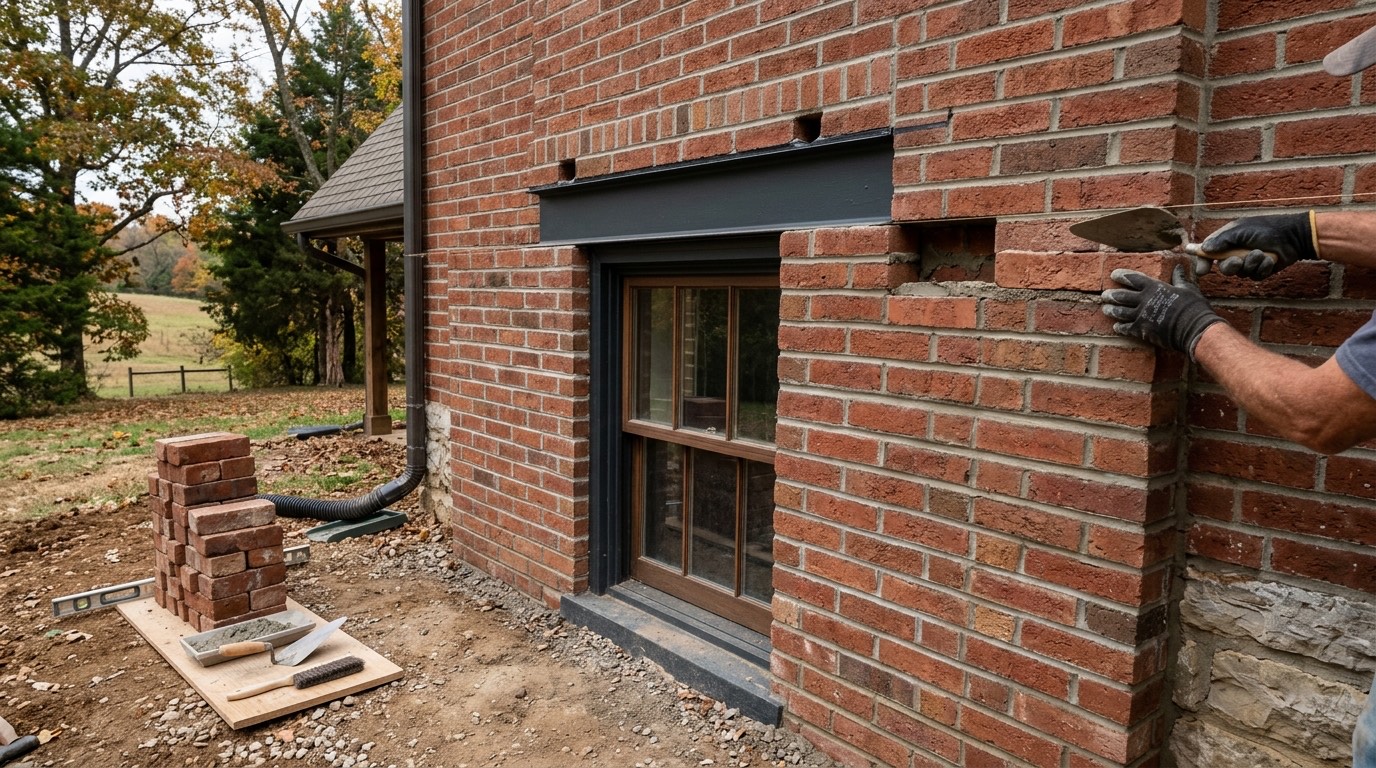
Masonry Repair and Restoration
Cracks, settlement and rebuilds
Learn more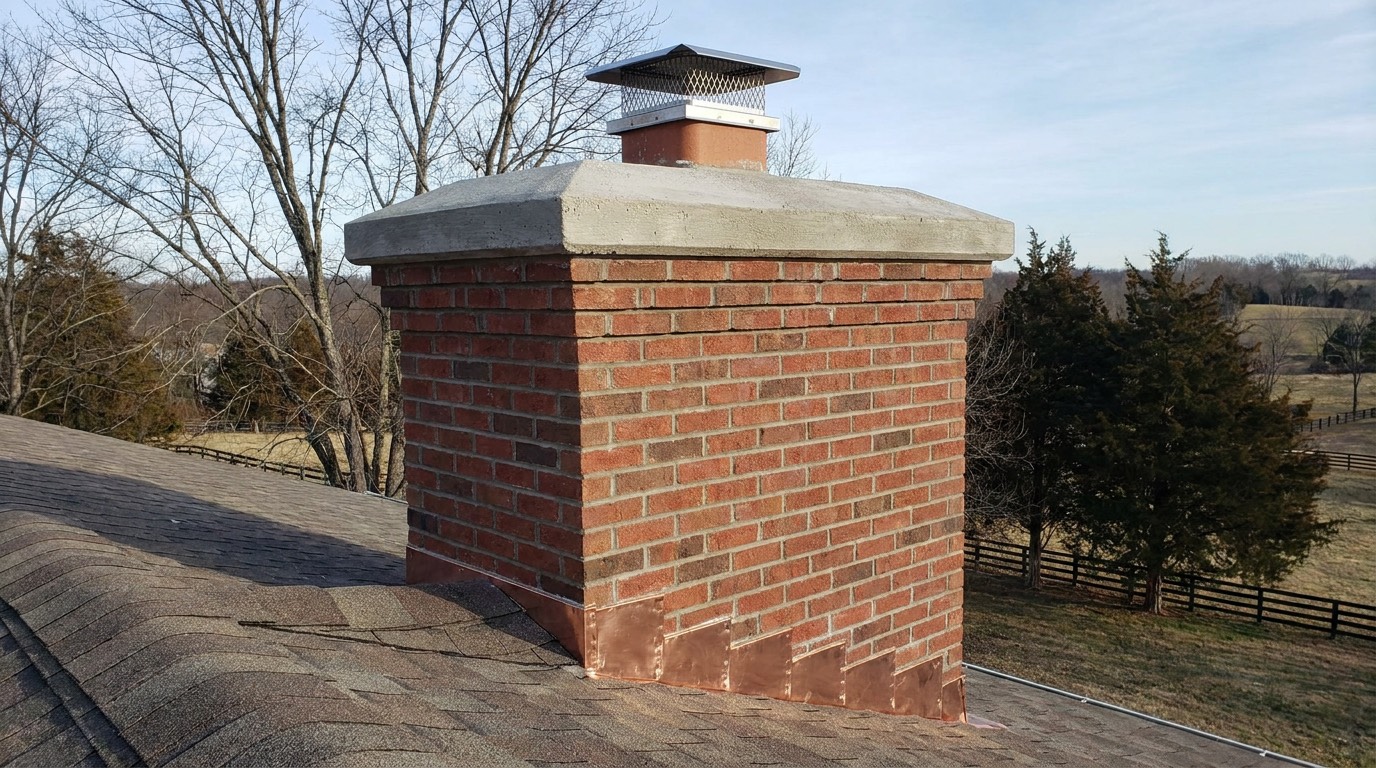
Chimney Masonry Repair
Crowns, flashing, rebuilds and relining
Learn more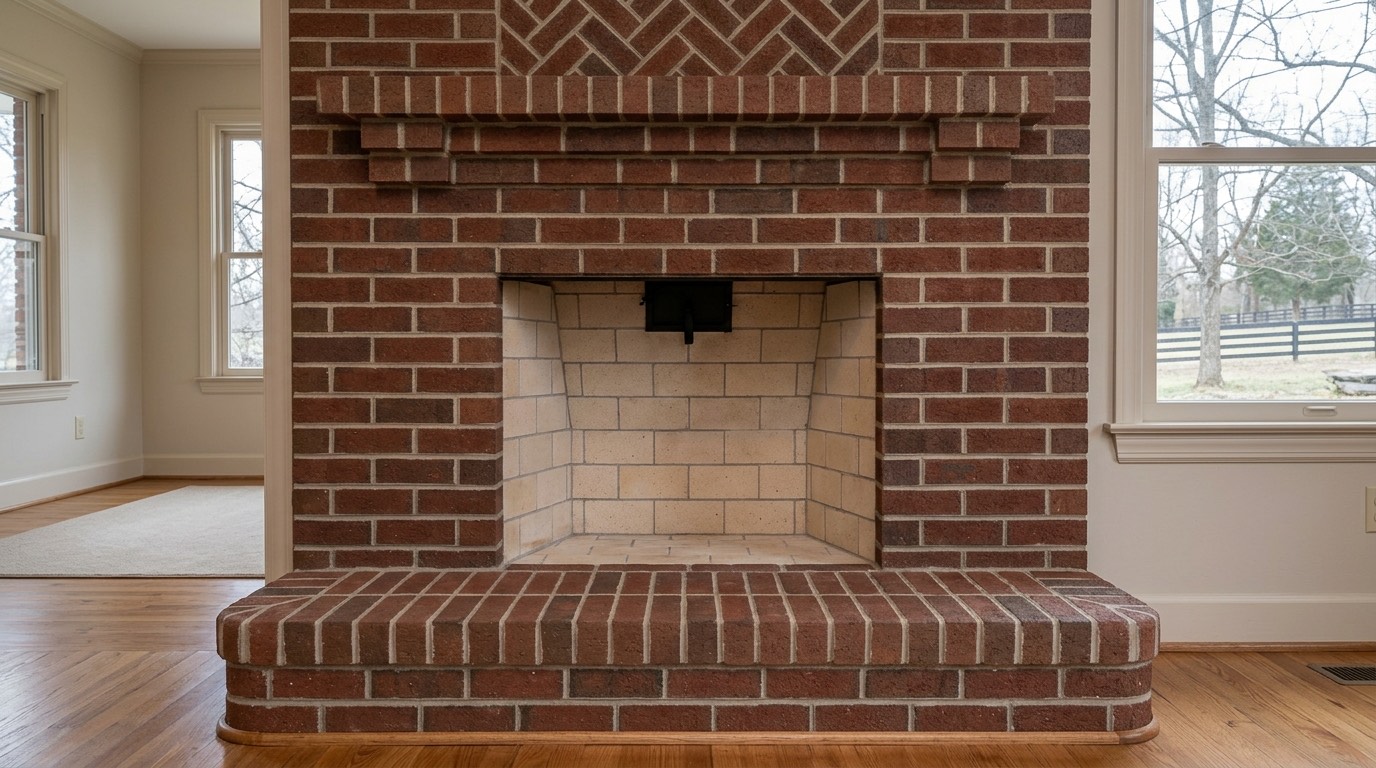
Brick Fireplaces
Indoor and outdoor fireplace masonry
Learn more
Retaining Walls
Block, brick and stone retaining walls
Learn more
Outdoor Living Masonry
Patios, kitchens, fire pits and seat walls
Learn moreSmyrna masonry questions
There is a crack running up the corner of my brick. Is the house moving?
Usually it is the veneer moving rather than the structure. Stair step cracking that follows the joints at a corner is often the wall responding to seasonal clay movement or a missing control joint. We check whether the crack is wider at the top or bottom, whether the two sides sit flush, and whether doors and windows inside still operate. If it is stable we can repoint and monitor it instead of opening the wall.
The brick above my garage door has cracked in a straight line. What causes that?
Almost always the steel lintel underneath. Water reaches the steel, it corrodes, and the rust expands and lifts the brick. The repair is to remove the courses over the opening, treat or replace the lintel, restore the flashing above it, then relay the brick. On a typical two car garage that does not require touching the rest of the wall.
Do I need HOA approval before masonry repair in Smyrna?
Often yes for anything visible from the street, but the rules vary by neighborhood and we will not tell you what your association requires. Check your covenants or ask your management company. If they want documentation we supply a written scope, match notes and photographs to submit with the request.
My front stoop has separated from the house. Does the whole thing have to come out?
Not always. If the settlement has stopped, we reset the brick, rebuild the joints and reflash where the stoop meets the wall. If it is still moving, patching only resets the clock and a rebuild on a proper footing is cheaper over time. We check the gap, the slope of the top surface and the drainage before recommending either.
Masonry quotes for Smyrna, TN
Call, or send the form and we will get you a written price.