HOA Rules and Brick Repair in Middle Tennessee
In most Middle Tennessee subdivisions the brick on your house is governed by covenants. Here is what architectural review usually wants, and why matching brick is the hard part.
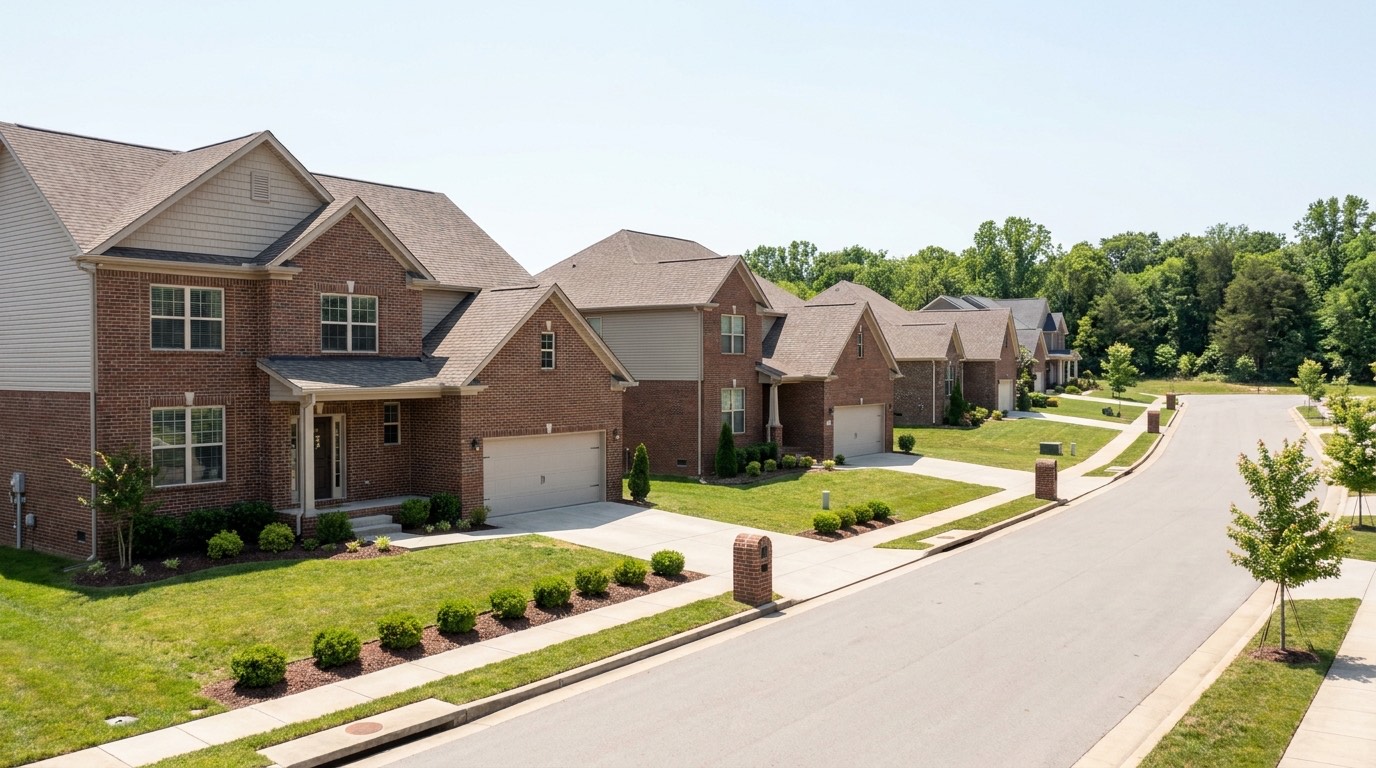
The letter that arrives after the work is finished
A homeowner has a section of brick repaired, the mason does clean work, and three weeks later a letter comes from the architectural review committee asking why no application was filed. Now the conversation is about whether the repair stays, and the homeowner is arguing from a weak position.
This is avoidable. In most subdivisions around Murfreesboro, Smyrna, La Vergne, Franklin, and Brentwood, the exterior of your house is governed by recorded covenants, and brick is one of the most closely watched surfaces on it. Ten minutes of reading before you schedule work is the whole fix.
Why boards care so much about brick specifically
A subdivision built in a two or three year window was usually brick from a small approved palette, sometimes a single blend across every elevation on the street. The visual consistency of that street is the thing the covenants exist to protect, and one mismatched patch at eye level on a front elevation breaks it more visibly than almost any other repair.
There is a practical side too. Boards have watched owners patch brick with whatever the big box store had in stock, and the result sits there for the next twenty years. The review process is mostly there to stop that.
Want a price for your own wall?
Four quick questions and we come back with a written quote. Or call (772) 251-6654 if that is faster.
Request a quote
Four questions, about a minute. We'll call you back.
Where architectural control tends to be tightest
The Nashville metro growth of the last two decades put a great deal of new brick veneer into Rutherford County, and nearly all of it went up inside an HOA. Newer neighborhoods in Smyrna and La Vergne, the Blackman and Barfield areas, and most of what has been built in Franklin and Brentwood tend to run active committees with written design guidelines.
Older parts of Murfreesboro are a different picture. Homes near the historic square and the older streets around MTSU often have no HOA at all, though some sit inside historic overlay areas with their own review process. That is a separate system with different rules, and it is worth confirming which one applies to your address rather than assuming.
What usually needs approval, and what usually does not
Guidelines vary from one association to the next, so treat this as a starting point rather than an answer. The general dividing line is whether the appearance of the house changes. Repairs that restore what was there tend to be lighter on process. Anything that alters color, texture, or the outline of the building tends to be heavier.
Read your covenants for the actual language, and if it is ambiguous, email the management company and keep the reply. A written answer costs nothing and settles the question permanently.
- Usually requires approval: adding brick or stone where there was none
- Usually requires approval: painting, staining, or limewashing existing brick
- Usually requires approval: a new retaining wall, mailbox surround, or brick column
- Usually requires approval: replacing a large area with brick from a different run
- Often lighter process: repointing that matches the existing mortar color and joint profile
- Often lighter process: replacing a handful of spalled units with matching brick
- Often lighter process: chimney crown and flashing work that is not visible as a color change
The matching problem, which is the real work
Brick is a fired clay product, and color comes from the clay and the position in the kiln. Two pallets of the same product name from different runs will not be identical, and a brick that has faced south in Tennessee sun for fifteen years no longer matches a new one out of the same mold. Anyone promising an invisible match on a front elevation is overselling.
The honest tools are limited but they work. The best source is salvage from your own house, taken from a garage side wall, behind a shrub line, or from a rear elevation, then patched in that hidden spot with the closest new brick available. A good supplier can pull samples from several manufacturers to find a near match on size, color range, and texture. Sizing matters as much as color, since a modular brick will not course into a wall built with queen or utility sized units.
Mortar is half the appearance and gets half the attention it deserves. Joint color, joint width, and the tooling profile all read from the street. A perfect brick match with a bright new mortar line still looks like a patch, and this is where a lot of committee objections actually originate.
What an application usually asks for
Most committees want enough to picture the finished result without a site visit. Putting together a clean package takes an afternoon and dramatically improves your odds of a first pass approval.
Many associations also require the contractor to carry a license and liability insurance, and the application form is usually where you first get asked for both. Worth knowing before you fill it in: no masonry license is issued in this state, so what the committee is really asking about is the state contractor license, which the Tennessee Board for Licensing Contractors requires on jobs above a certain size. No committee is going to check that on your behalf. Look the license up at the Board yourself, ask them where the size line currently sits, and make sure the name on the license is the name you write on the form.
- Photographs of the affected area and the full elevation it sits on
- A written scope describing what is being removed and what replaces it
- The brick manufacturer, product name, and size, plus a photo of a sample against your existing wall
- Mortar color and joint profile, ideally shown as a small test panel on the house
- Contractor name, license number, and proof of insurance
- Approximate start and completion dates
Timing, and the thing approval does not cover
Review committees commonly meet monthly, and some allow a longer response window in the governing documents. That delay collides with the masonry calendar here. Mortar work slows or stops when temperatures sit below roughly forty degrees, so an application submitted in November may not turn into scheduled work until spring. If you find a problem in September, file then.
One last distinction that trips people up. HOA approval is not a building permit, and a permit is not HOA approval. They are separate systems with separate requirements, and a yes from one means nothing to the other. For structural work, retaining walls above a certain height, or anything touching the building envelope, confirm permit requirements with the Rutherford County building department, or with the City of Murfreesboro if you are inside city limits.
Related questions
My HOA denied my brick because it did not match. What now?
Ask for the denial in writing with the specific reason, then treat it as a matching problem rather than a fight. Bring physical samples to the next meeting instead of photographs, since color reads badly in a phone image. Most denials at this stage are resolved by a closer sample rather than an appeal.
Do I need approval for emergency repairs?
Many sets of covenants carry an emergency provision, though the wording varies and most still want notice after the fact. This comes up most in spring. March through May is when severe weather runs through Rutherford County and when boards see damaged brick, and a committee that meets monthly is not going to convene for your chimney. Stabilize it, photograph the condition before and during, and write to the management company the same day.
The original brick is discontinued. What are my options?
Three, in order of preference. Salvage matching brick from a concealed part of your own house and put the near match in that hidden spot instead. Source a close current product from a supplier willing to pull samples from several plants. Or repair a full elevation to a natural break line so the difference reads as a design edge rather than a patch. Expect the middle option to be hardest in a Smyrna or La Vergne subdivision built inside a two year window, since a whole street can trace back to one production run that has since been discontinued.
Who pays when the damaged brick is on a shared or common wall?
That depends entirely on your governing documents, which define what is common element and what is owner responsibility. In townhome and attached product it is frequently split in ways owners do not expect. Get the answer in writing from the association before commissioning any work.
Can I paint my brick if the HOA says no?
Not without approval, and there is a masonry reason to hesitate anyway. Paint slows the wall's ability to dry outward, and a Middle Tennessee spring gives brick plenty to shed. Heavy rain through March and April soaks a wall over and over, and a film on the face holds that water in where the next cold night can act on it. If you want a color change, put breathable mineral coatings in front of both the committee and your mason.
Does the HOA get to pick my contractor?
Usually not. Most associations set requirements such as licensing, insurance, work hours, and material approval, then leave the choice to you. A few maintain preferred vendor lists, which are a convenience rather than a mandate unless the documents say otherwise.
More guides
All guides →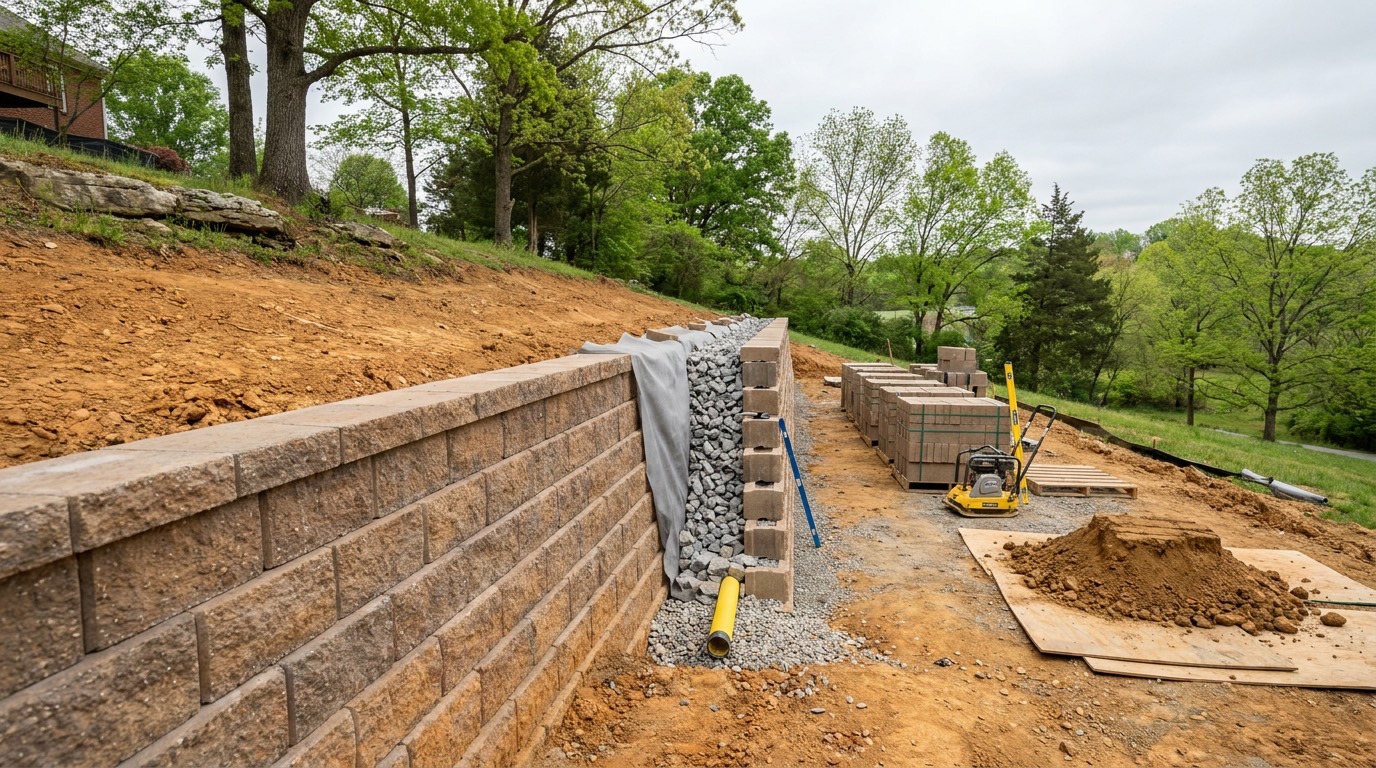 How it works
How a Retaining Wall Drains, and Why That Decides Everything
Retaining walls rarely fail because the blocks were weak. They fail because water got into the backfill and had nowhere to go. The drainage is the wall.
Read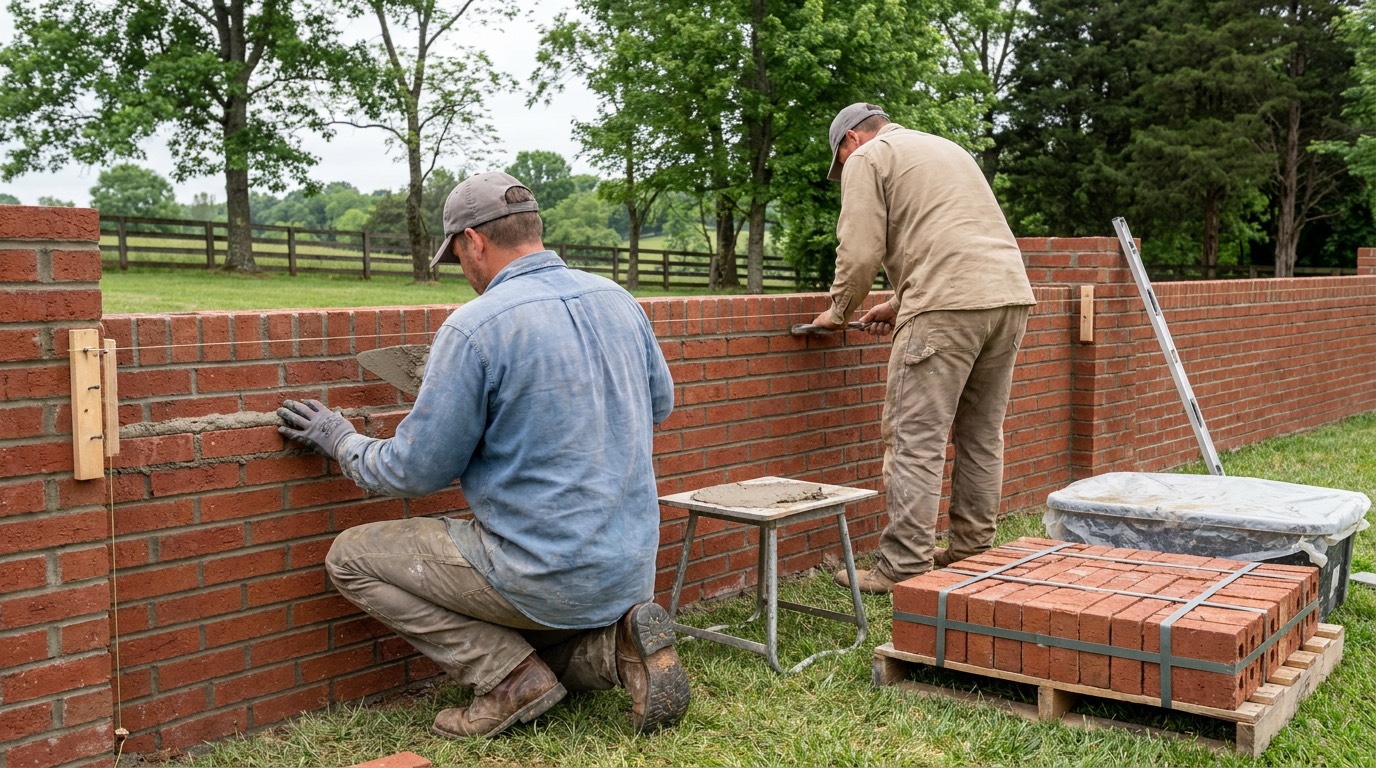 Hiring
How to Hire a Mason in Tennessee: What to Verify First
Masonry mistakes are permanent and expensive to undo. These are the things worth confirming before work starts, in the order a homeowner can actually do them.
ReadHow Tuckpointing Works, Step by Step
Good joint work is mostly removal. Here is what happens between the grinder and the finished joint, and why a skim of fresh mortar over failed joints never lasts.
Read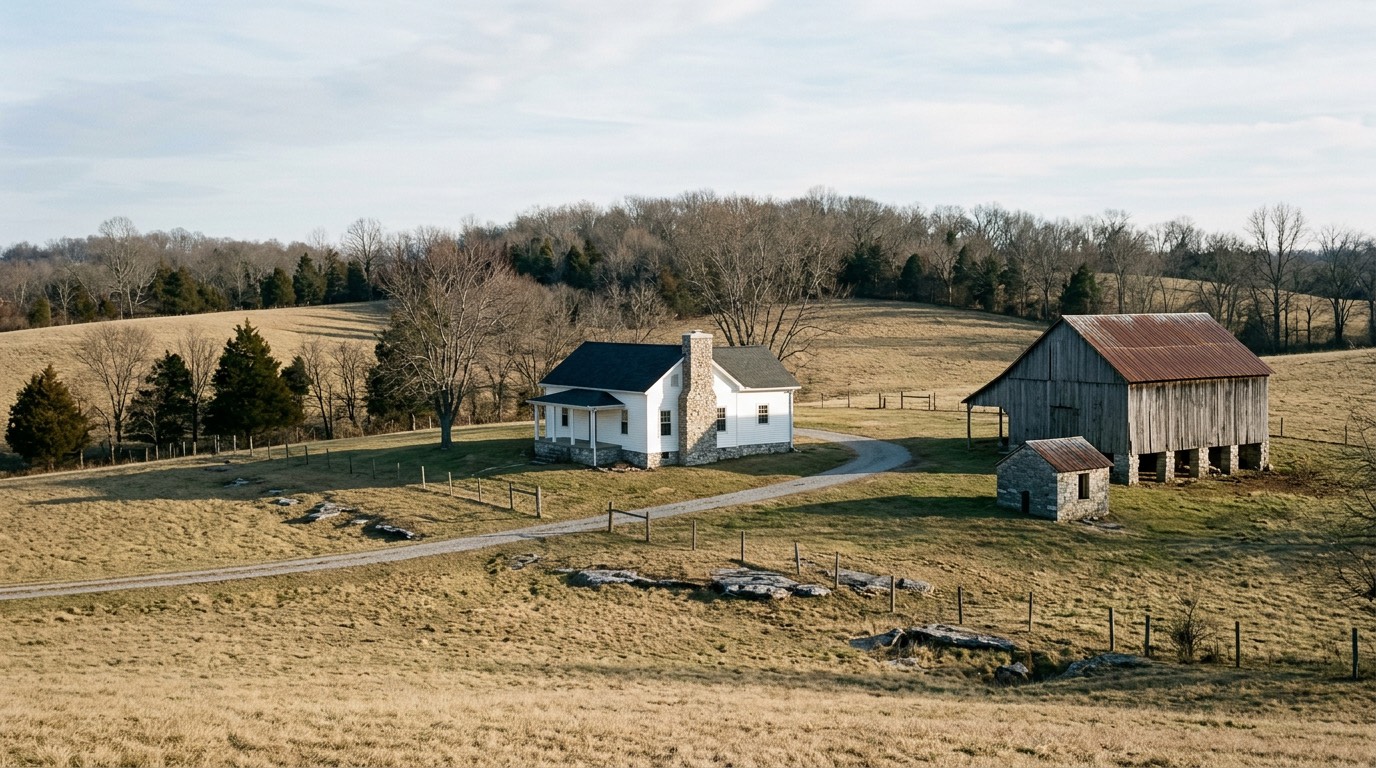 Local guide
Karst, Sinkholes and Masonry in Middle Tennessee
The rock under Murfreesboro dissolves. That is not a defect, it is just what limestone does with rainwater, and it shapes how masonry here is built and how it fails.
ReadA Leaning Chimney: What the Tilt Is Telling You
Most leaning chimneys around Murfreesboro are not falling over this week. But the lean is a symptom, and the thing to work out is whether it is finished moving or still going.
ReadStraight answer on your wall.
Call, or send the form and we will get you a written price.